
Last updated August 28, 2026
Free in-home measure and quote - PGT, CGI and CWS impact lines compared on your actual openings, style by style
CGI
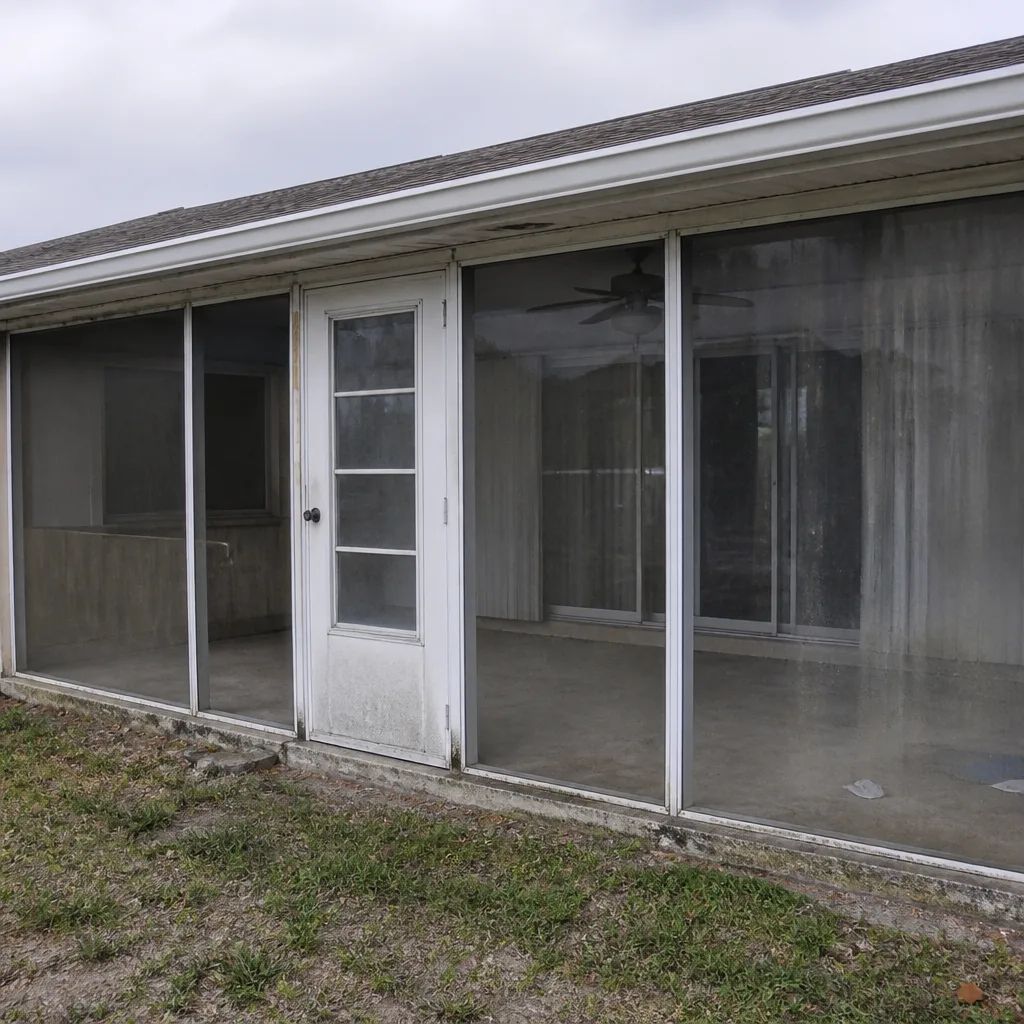 Before
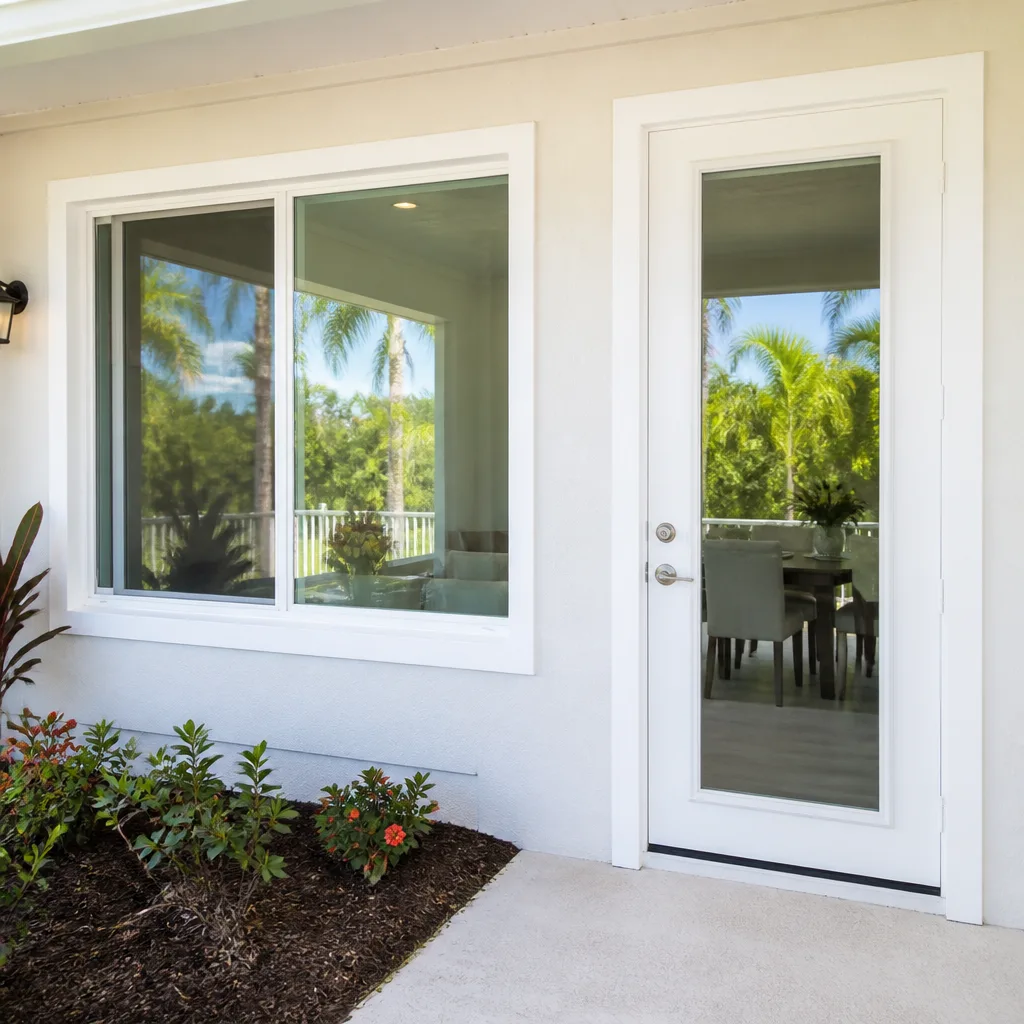 After
After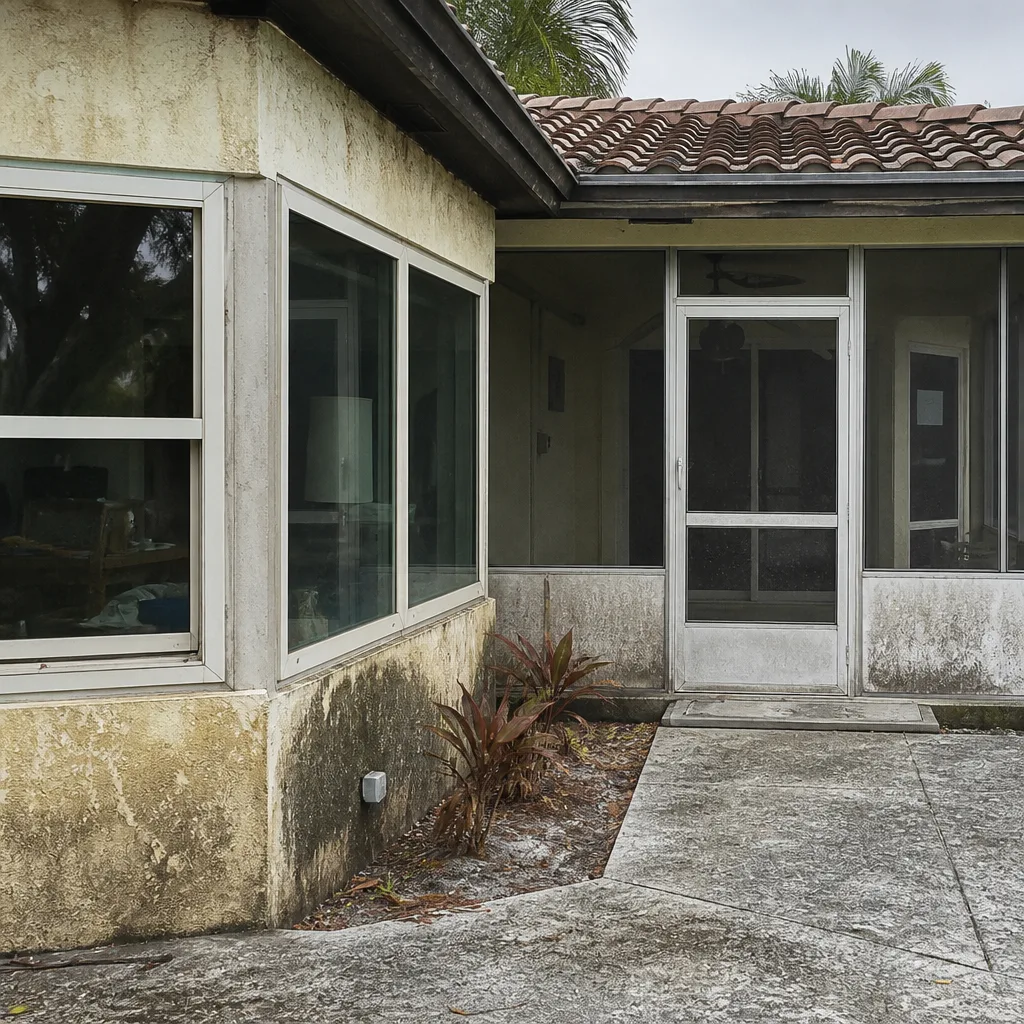 Before
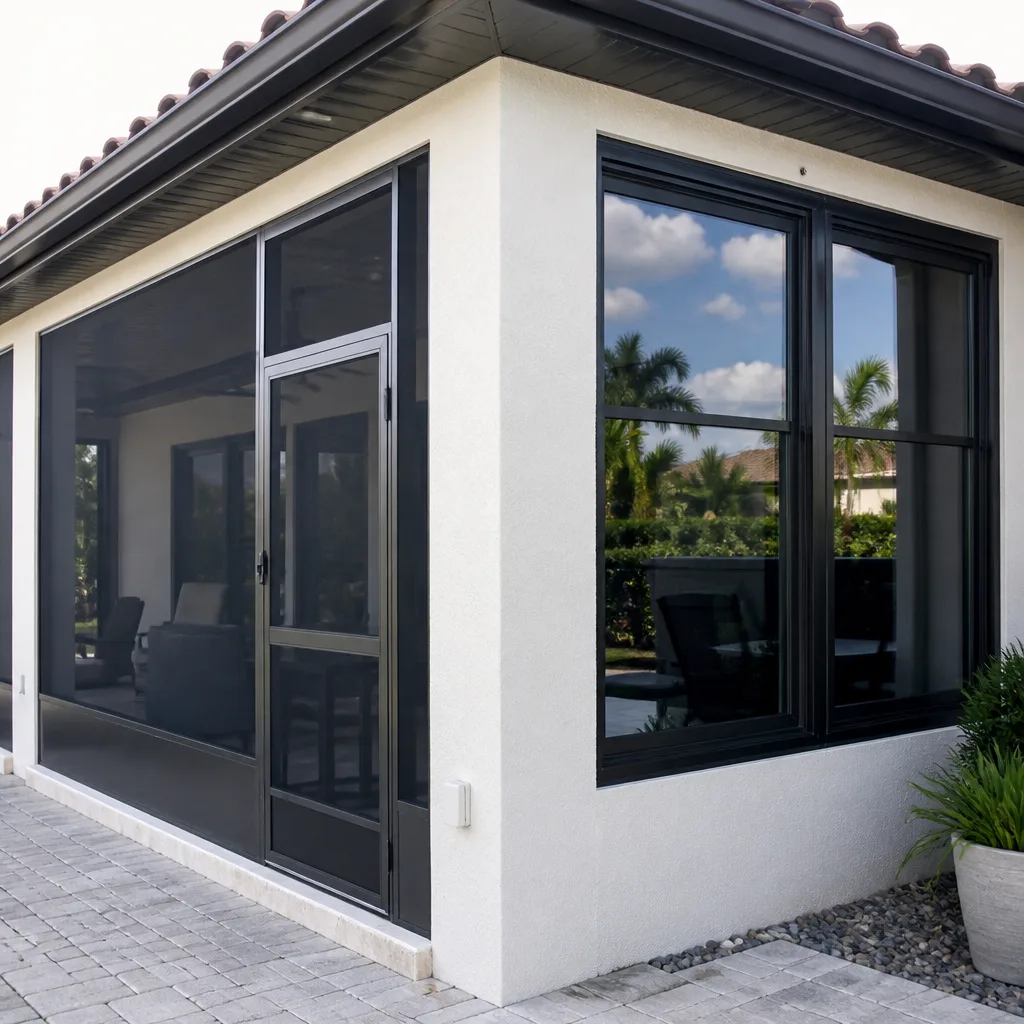 After
After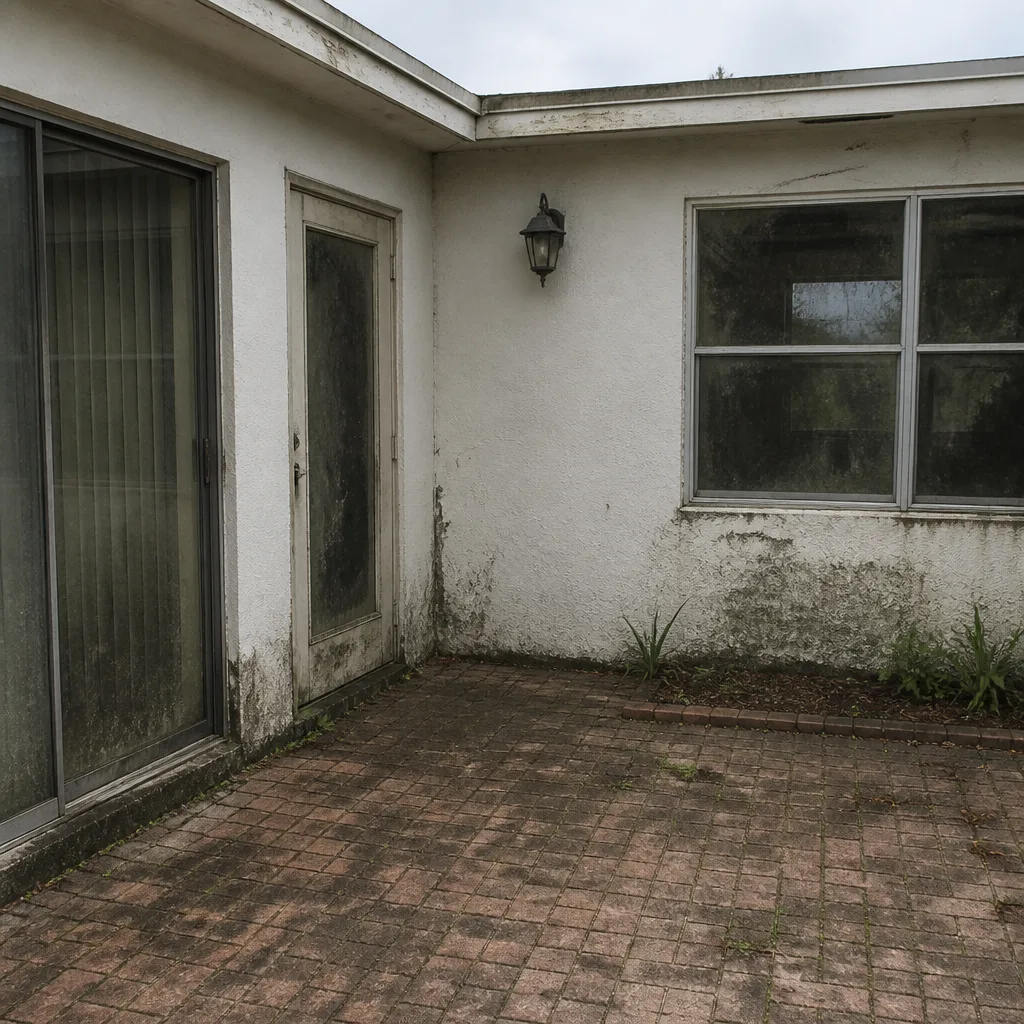 Before
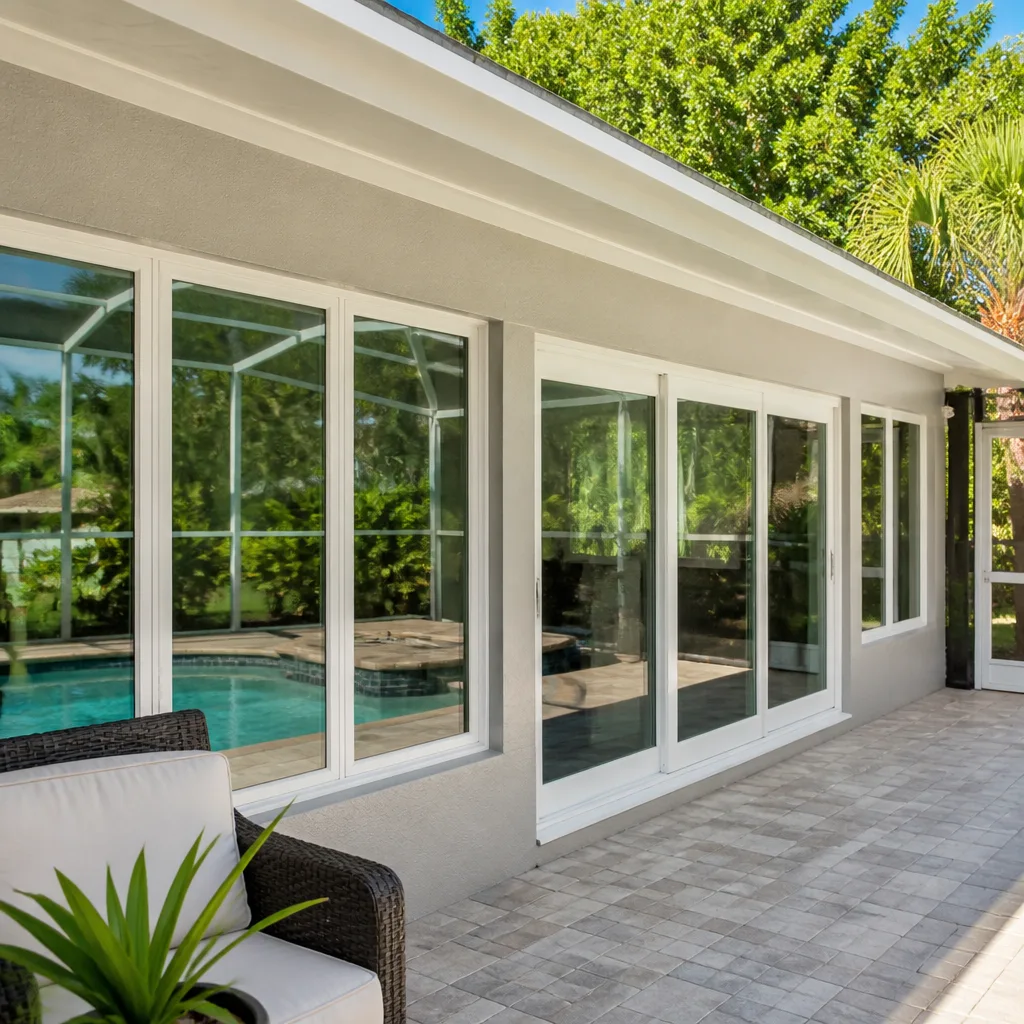 After
AfterDIY vs Professional Windows & Doors: The Fort Myers Homeowner’s Decision Guide
Most homeowners who attempt their own window installation in Fort Myers aren’t defeated by the glass. They’re defeated by the paperwork they didn’t know existed. A window that leaks is a nuisance. A window that leaks and voids your Citizens Insurance discount is a five-figure problem wearing a two-hundred-dollar disguise. This guide walks through the actual decision, not the marketing version of it: what Florida law permits, what your insurance carrier expects, where the real costs hide, and which jobs genuinely make sense to do yourself. For How to Hire a Windows & Doors Contractor in Fort Myers: A Step-by-Step Guide, see our companion resource. We’ve been installing windows and doors in Fort Myers since 2008, and we’ve rebuilt enough DIY installs to know exactly where the line falls.
Quick Answer
For most Fort Myers homeowners, professional window and door installation is the only path that preserves manufacturer warranty coverage, satisfies Lee County permitting requirements, and maintains Citizens Insurance opening protection discounts. DIY installation is legal under Florida’s owner-builder exemption, but it voids installation warranties, creates a one-year disclosure obligation when you sell, and places full liability for wind-load performance on you. The exception: interior trim, hardware replacement, weatherstripping, and non-impact glazing in non-hurricane-rated structures, which are reasonable DIY projects for a competent homeowner.
Table of Contents
- What Florida’s Owner-Builder Exemption Actually Permits (and What It Doesn’t)
- The Warranty Reality: What a DIY Install Voids the Day You Finish
- How DIY Installation Affects Your Fort Myers Insurance Coverage
- The Three Installation Variables That Determine Wind-Load Performance
- Where DIY Makes Sense in Fort Myers: The Honest Short List
- The Real Cost of a Failed DIY Installation in Lee County
- How Permitting Works in Fort Myers for Window and Door Work
- A Decision Framework for Your Specific Situation
What Florida’s Owner-Builder Exemption Actually Permits (and What It Doesn’t)
Florida statute 489.103(7) allows a homeowner to act as their own contractor for improvements to their primary residence. On paper, that means you can pull your own permit, buy your own windows, and install them yourself in Fort Myers without a state contractor’s license. What the statute does not say is what happens after the final inspection.
Here’s what the exemption actually gives you:
- The right to pull a permit in your own name for work on a home you occupy
- The right to hire subcontractors directly (you become the general contractor, with all the scheduling and liability that implies)
- The right to perform the work yourself without holding a Florida glazing contractor’s license
Here’s what it does not give you:
- Any manufacturer installation warranty. Andersen, Pella, PGT, Marvin, Milgard, and every other line we install all state the same thing: installation by an unlicensed installer voids the installation coverage layer.
- Protection from the one-year disclosure requirement. Florida law requires that when you sell a home where owner-builder work was performed within one year of completion, you must disclose it in writing to the buyer. That disclosure tells the buyer their inspector should pay special attention to your work.
- Any right to call a licensed contractor afterward and ask them to certify your work. A licensed glazier in Lee County cannot re-inspect a DIY installation and stamp it as compliant without pulling a new permit. That means a DIY mistake becomes a licensed contractor’s job to document, tear out, and redo from scratch.
The statute was written to let a capable homeowner replace a single window in a non-hurricane-rated structure without hiring a crew. It was not written to let a homeowner install impact-rated openings on a canal-front home in Fort Myers and then expect the insurance discount that comes with a documented, compliant installation.
The Warranty Reality: What a DIY Install Voids the Day You Finish
Window warranties in Florida are layered. Most homeowners only think about the glass breakage warranty, but that’s the layer that matters least for a structure in a hurricane zone. The two layers that actually protect your investment are the product warranty and the installation warranty, and a DIY install voids one of them before you even start.
The product warranty covers defects in the window itself: seal failures, hardware defects, warping. PGT, CGI, ES Windows, and the other impact-rated manufacturers we work with will honor the product warranty regardless of who installs the window, as long as the window was purchased through an authorized channel and wasn’t modified. But here’s what most Fort Myers homeowners miss: manufacturers don’t sell impact-rated windows direct to the public. You cannot walk into a supply house and buy a PGT WinGuard series window as a homeowner at retail. Those windows move through authorized dealer networks specifically because the manufacturer wants a licensed installer’s name attached to every unit that leaves the warehouse.
The installation warranty is simpler: it doesn’t exist for a DIY job. When a licensed installer sets a window, the workmanship is guaranteed. At TruePane Windows & Doors, that means a 90-Day Done Right Promise in writing, with no paperwork fights if something isn’t right. A DIY installation carries no such promise because the installer is you.
And then there’s the registration layer. The Keystone Standard we follow requires both warranty layers registered in writing, with durations stated, before the truck leaves the driveway. Most manufacturers require dealer-side registration within 30 days of installation for the full product warranty to activate. A homeowner who buys windows through a friend-of-a-friend or a liquidation lot frequently discovers their product warranty was never registered at all. The window may be genuine, but the warranty vanished at the loading dock.
How DIY Installation Affects Your Fort Myers Insurance Coverage
Fort Myers sits in a high-velocity hurricane zone. Your windstorm insurance premium, and in many cases whether you can get coverage at all, depends on whether your openings meet the current Florida Building Code’s impact protection requirements. A home with documented, compliant impact windows gets a significant opening protection discount. A home with undocumented, non-compliant windows may not qualify for coverage with private carriers at all, leaving you in Citizens Insurance’s pool at a higher rate.
Here’s the distinction that matters, and it’s one most DIY guides never mention:
- Product approval documentation proves the window itself is rated for the design pressure at your specific home. This is the Florida Product Approval number, which specifies wind-load ratings, impact ratings, and water infiltration limits.
- Installation compliance documentation proves the window was installed according to the manufacturer’s approved installation drawing: the right anchor type, the right anchor spacing, the right flashing sequence, the right sill pan drainage slope.
Your insurance carrier, and your mortgage lender, and a future buyer’s inspector, need both. A DIY install with a purchased window and no installation compliance documentation produces only one. The discount disappears. The homeowner who saved three thousand dollars on labor now pays it back in insurance premiums over two or three hurricane seasons, and still has an opening that may not perform to its rating.
We’ve been called to Fort Myers homes where a homeowner installed impact windows themselves, pulled the permit, and passed the Lee County inspection, only to find their insurance carrier wouldn’t accept the installation because the inspector’s checklist didn’t include the manufacturer’s approved installation drawing. The county checks for code minimums. Your insurance company checks for what the manufacturer specified. Those are not the same thing.
The Three Installation Variables That Determine Wind-Load Performance
An impact window is not a monolithic object that works because it was screwed into a hole. It’s an engineered system, and in Fort Myers, it’s engineered for a specific set of conditions: 140-plus mph wind loads, driving rain, and the pressure cycling of a hurricane’s eyewall. The difference between a window that holds and a window that fails comes down to three installation variables.
1. Anchor Type
The fasteners that hold the window frame to the rough opening are specified by the manufacturer. Some designs call for concrete screws into a masonry buck. Some call for through-bolts. Some call for specific clip systems that allow for thermal expansion while maintaining load transfer. Using the wrong anchor, even a heavier anchor, can create a point load the frame wasn’t designed to handle, which causes frame cracking at the corners during high wind events.
2. Anchor Spacing
The manufacturer’s installation drawing specifies fastener spacing, typically every 4 to 6 inches along the perimeter. A homeowner who thinks more fasteners mean more strength and spaces them every 3 inches has changed the frame’s flex characteristics, which can actually reduce performance. One who spaces them every 8 inches to save time has created an attachment point that may pull free under negative pressure, which is the force that rips windows out of walls during a hurricane.
3. Sill Pan Drainage Slope
Every window in a Florida home lives in water. Fort Myers gets 55 inches of rain a year, much of it sideways during summer storms. The sill pan beneath the window is sloped to drain water to the exterior, not into the wall cavity. That slope is measured in degrees, and it’s specified on the installation drawing. A sill pan installed flat or, worse, sloped inward, funnels water into the stud cavity where it rots the rough opening from the inside out. The window looks fine for three years, then the homeowner notices the interior drywall below the window is soft.
None of these variables is discoverable by reading a YouTube tutorial. They’re specified on the manufacturer’s approved installation drawing, a document that is not available to the public. It ships with windows purchased through an authorized dealer network, and it’s the document a licensed installer follows on every job. Professional window installation in Fort Myers starts with those drawings, not with a tape measure and a level.
Where DIY Makes Sense in Fort Myers: The Honest Short List
We’re not going to tell you every window job requires a contractor, because that’s not true and it’s not how a square deal works. There are jobs in and around windows and doors that a careful homeowner can handle, and we’ll tell you exactly what they are. For ongoing upkeep tips, see our Impact Windows Maintenance Checklist for Fort Myers Homeowners.
- Hardware replacement. A worn crank operator, a broken sash lock, a loose handle on an Andersen or Pella window. These are mechanical replacements with no structural consequence. Buy the right part, install it in 20 minutes, and you’ve saved a service call. If you can’t identify the exact hardware series, take a photo and show it to a dealer before you buy.
- Weatherstripping and gasket replacement. The foam, felt, or vinyl seals around the operable sash degrade in Florida’s UV and heat. Replacement weatherstripping is a peel-and-press job on most window lines, and a 70-year-old homeowner who can read an installation diagram can do it in an afternoon. The key is buying the manufacturer’s weatherstripping, not a universal kit from a hardware store aisle.
- Interior trim and casing work. The wood or composite trim around the inside of the window is cosmetic and non-structural. Removing, refinishing, or replacing interior trim doesn’t affect the window’s performance or the weather barrier. If you can cut a miter joint, you can do this job.
- Non-impact single-pane replacement in non-hurricane-rated structures. This is a narrow category, but it exists. A freestanding shed, a detached garage that’s not part of the main structure’s wind-load path, or an interior window in a sunroom that’s already outside the conditioned envelope. These openings don’t require impact-rated products, and a simple single-pane replacement is within reach for a competent homeowner. But note: the moment that opening is in the primary structure or is being upgraded to anything impact-rated, this exception ends.
The boundary line is this: any opening that must resist wind pressure, shedding water, or carrying a warranty belongs to a licensed installer. Interior trim, hardware, and weatherseals don’t cross that line. Impact window replacement in Fort Myers is always on the licensed side of it, because Lee County’s building official and your insurance underwriter both say so.
The Real Cost of a Failed DIY Installation in Lee County
Let’s put dollar amounts on the downside, because vague warnings don’t help anyone make a decision. These are based on what we’ve seen across Fort Myers in the last decade, from the McGregor Boulevard corridor to Lehigh Acres.
Say you install two impact windows yourself, on a canal-front home in Fort Myers, as an owner-builder. You pull the permit (cost: roughly $150 to $400 depending on the scope), buy the windows through a connection at a discounted price, and set them over a weekend. Here’s what the next 24 months can look like:
- Re-permit fees in Lee County: $150 to $400, plus the time to pull the permit and the mandatory inspection scheduling window, which runs one to three weeks during the busy season.
- Licensed contractor remediation rates: Removing and resetting a window that a homeowner installed incorrectly typically runs $400 to $900 per opening in this market. That’s for a window that hasn’t failed catastrophically. If the rough opening was damaged by water intrusion from a failed sill pan, add $300 to $800 per opening for framing repair and drywall work.
- Insurance gap period: This is the number most homeowners never calculate. From the moment you discover the installation wasn’t compliant to the moment a licensed contractor completes remediation and the county re-inspects, you have a structure with openings that don’t meet code. During hurricane season in Fort Myers, that’s a period where a storm loss may not be covered to the full value of the home. Six months of that gap on a $600,000 home is not a small number. It’s potentially catastrophic.
- New window cost: If the window itself was damaged during the failed install (shattered glass from an over-torqued anchor screw is the most common we see), you’re buying the window again. An impact-rated PGT or CGI window runs $600 to $1,800 per opening at dealer cost, depending on size and series.
Total downside for a two-window DIY attempt that goes wrong: $2,000 to $5,000 in direct costs, plus the insurance gap, plus the one-year disclosure obligation if you sell. The labor cost for professional installation on those same two windows, from a Fort Myers impact window installer with the warranty paperwork and the manufacturer relationship in place, runs $600 to $1,400 per opening. The math isn’t close.
How Permitting Works in Fort Myers for Window and Door Work
Lee County, and the City of Fort Myers within its boundaries, require a building permit for window and door replacement when the opening size changes, when structural members are modified, or when impact-rated products are being installed. A simple like-for-like swap of a non-impact window may not require a permit in certain circumstances, but any change to the rough opening, any impact upgrade, and any door replacement that alters egress requirements will.
Here’s the sequence a licensed installer follows on every Fort Myers permit job:
- Pre-site measure and engineering review. The rough opening is measured against the product’s Florida Product Approval to ensure the window is rated for the design pressure at that specific wall surface, on that specific exposure. A canal-front home on the Caloosahatchee has different wind-load requirements than a home in a subdivision off Daniels Parkway.
- Permit application and approval. The installer files the permit with the Lee County or City of Fort Myers building department, including the manufacturer’s product approval documentation and installation drawings.
- Installation to the approved drawing. The window is set exactly as the drawn details specify: anchor type, anchor spacing, flashing sequence, drainage slope.
- Inspection. The building official verifies the installation against the permitted documents, not against a general code checklist.
- Warranty registration. Both manufacturer warranty layers are registered in writing, with durations stated, before the installer leaves the driveway.
A homeowner acting as an owner-builder follows the same permit sequence, but without the dealer relationship, the product approval documentation is frequently incomplete, and the installation drawings don’t exist because the windows weren’t purchased through an authorized channel. The permit gets pulled, the inspection gets scheduled, and the homeowner discovers at inspection that they can’t produce the engineering documents the official asks for. Now the permit is open, the work is stalled, and a licensed contractor has to be called anyway. TruePane Windows & Doors has been called into this exact situation more than once in Fort Myers, and the homeowner always pays more than if they’d started with us.
A Decision Framework for Your Specific Situation
Here’s the honest way to decide, in four questions.
- Is the opening in the primary structure? If yes, and the home is in a hurricane-rated zone in Fort Myers, the answer is professional installation, full stop. The wind-load stakes are too high to gamble.
- Does the window need to carry a warranty? If the window is impact-rated and you expect the manufacturer to stand behind it, the installation must be done by a licensed installer with a dealer relationship. No dealer relationship, no installation drawing, no warranty layer. That’s the trade.
- Is your insurance discount at stake? If you currently receive, or expect to receive, an opening protection discount from Citizens or a private carrier, the installation requires compliance documentation that a licensed installer produces and a DIY job cannot.
- Is the job cosmetic, mechanical, or structural? Cosmetic and mechanical jobs (trim, hardware, weatherstripping) are legitimate DIY territory. Structural jobs (setting windows, cutting rough openings, installing impact-rated doors) belong to someone who has done it a thousand times and carries the license to prove it.
If you answered “yes” to the first three questions, the decision is already made. What remains is choosing an installer who will show you the product approval documentation, register both warranty layers in writing before they leave, and stand behind the work with a written promise. Not every Fort Myers window company does all three. We do, and we have for the 42 years of craft tradition that Dale Kessler built this company on.
Common Mistakes to Avoid
- Assuming a passed inspection means an insured, warrantied installation. Lee County inspects for code minimums, not manufacturer specifications. That gap is exactly where insurance carriers deny discounts and manufacturers deny warranty claims after a storm.
- Buying impact windows from a non-dealer source and installing them yourself. The windows may be genuine. The documentation chain is not. When the claim comes in after a hurricane, the paperwork is what saves or sinks you.
- Reusing old flashing when setting a new window. Flashing in Fort Myers degrades under UV and heat. Reusing it guarantees water intrusion eventually. It’s a five-dollar corner you’re cutting on a two-thousand-dollar window.
- Replacing a window and its rough opening at the same time without structural review. Changing the opening size affects the header above it, which affects the load path through the wall. The county will require an engineering review if the opening changes. Homeowners often discover this after the old window is already out.
- Forgetting the one-year disclosure requirement on owner-builder work. Selling your home within 12 months of DIY window work without disclosing it creates legal exposure. The buyer’s inspector will find the work anyway, and now it’s a negotiating point against you.
- Treating all windows as interchangeable glass rectangles. The design pressure for a 30-inch-by-60-inch window on the wall facing the Caloosahatchee is not the same as the same size window on an interior wall. Product approval is opening-specific and location-specific.
- Underestimating the scheduling cost of being your own general contractor. When you pull an owner-builder permit in Fort Myers, you schedule the inspections, you coordinate the work, and you own the delays. A missed inspection window in season can set your project back three weeks. That’s part of what a contractor’s fee pays for.
When to Call a Professional
Call a professional when the opening is impact-rated, when it’s in the primary structure, when you expect a manufacturer warranty or an insurance discount, or when you’re not certain about any of the three installation variables: anchor type, anchor spacing, or sill pan drainage. Also call a professional when your existing window is leaking, fogged, or binding, because those symptoms indicate a failed installation or a failed seal, and the cause is rarely fixable from the interior side alone. TruePane Windows & Doors offers free estimates in Fort Myers with side-by-side manufacturer quotes on paper, both warranty layers registered in writing before the truck leaves the driveway, and a live person who answers the phone 24 hours a day, 7 days a week. Call (239) 323-5522 to schedule yours.
Frequently Asked Questions
Yes, Florida statute 489.103 permits owner-builder work on a primary residence, including window installation, but the homeowner assumes full liability for code compliance, warranty implications, and the one-year disclosure requirement that attaches to the property when they sell.
Professional window installation in Fort Myers typically runs $300 to $1,400 per opening for labor, depending on the window type (impact-rated vs. non-impact), the accessibility of the opening, and the condition of the rough opening. Impact-rated units from PGT, CGI, and similar manufacturers add $600 to $1,800 per window at dealer cost. Call (239) 323-5522 for a written line-item quote specific to your home.
Yes. Every major manufacturer TruePane installs, including PGT, CGI, Andersen, Pella, Marvin, and Milgard, voids the installation warranty layer when an unlicensed installer performs the work. The product warranty may survive if the window was purchased through an authorized channel and registered correctly, but the installation workmanship has no coverage.
It can. Insurance carriers offering opening protection discounts require both product approval documentation and installation compliance documentation. A DIY install typically cannot produce the latter, which means no discount, and in some cases, a non-compliant opening may trigger higher windstorm rates. Before you install anything, ask your carrier exactly what documentation they require and whether an owner-builder installation satisfies it.
No. In Lee County, a licensed glazier cannot inspect and certify work performed by an unlicensed installer without pulling a new permit and taking responsibility for the installation. If the work is not compliant, the contractor must document the failure and remedy it, which usually means removing and reinstalling the window at your expense.
Hardware replacement, weatherstripping and gasket replacement, interior trim and casing work, and non-impact single-pane replacement in detached, non-hurricane-rated structures are the reasonable DIY projects. Anything impact-rated, anything in the primary structure, and anything touching the flashing or rough opening belongs to a licensed installer. For a full schedule of upkeep tasks, see our Seasonal Windows & Doors Care for Fort Myers: Year-Round Homeowner’s Guide. Call (239) 323-5522 if you’re not sure where your project falls.
The Bottom Line
The DIY window question in Fort Myers isn’t about whether you can measure a rough opening or drive a screw. It’s about whether you’re willing to carry personal liability for a wind-load failure in a jurisdiction that requires licensed installation for warranty coverage and insurance discounts. For impact-rated openings in the primary structure, the answer from an honest tradesman is no: the risk isn’t worth the savings. For hardware, weatherstripping, and interior trim, the answer is yes, and you’ll know because the failure stakes are measured in dollars, not in hurricane-force wind. Choose accordingly, document everything, and if the pane isn’t true, start over with someone who will make it right in writing. Explore more guides & resources on windows, doors, and protecting your Fort Myers home.
Ready to talk through your specific situation? Call TruePane Windows & Doors at (239) 323-5522 for a free estimate, with both manufacturer warranty layers registered in writing and the 90-Day Done Right Promise behind every job. We’ll be there when we say.
Written by Dale Kessler, Owner at TruePane Windows & Doors, serving Fort Myers since 2008.
Six Reasons Homeowners Choose TruePane Windows & Doors
Impact systems engineered to design pressures up to +/-100, matched to your wind zone - your openings hold when the storm arrives.
Low-E insulated impact glass from our manufacturer lines commonly cuts monthly cooling bills 20-30%.
Laminated impact glass shuts out up to 40% of outside noise - traffic, neighbors, weather.
Monitoring services run $30-90 a month. Laminated impact glass resists forced entry around the clock, with no subscription.
Florida homeowners average around 25% savings on the windstorm portion of their policy after protecting every opening - some homes qualify for more.
A full impact package upgrades curb appeal, buyer confidence and appraised value in one project.