

Last updated August 28, 2026
Free in-home measure and quote - PGT, CGI and CWS impact lines compared on your actual openings, style by style


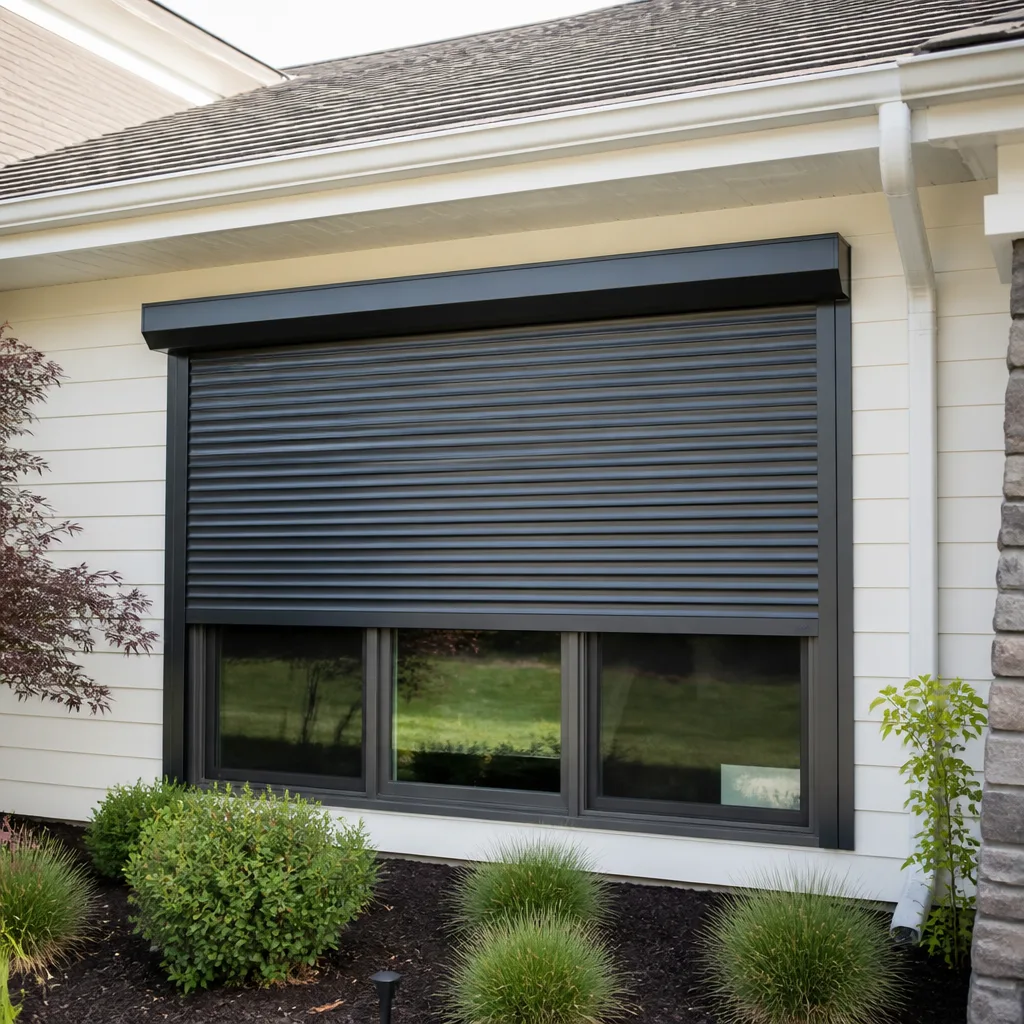






CGI
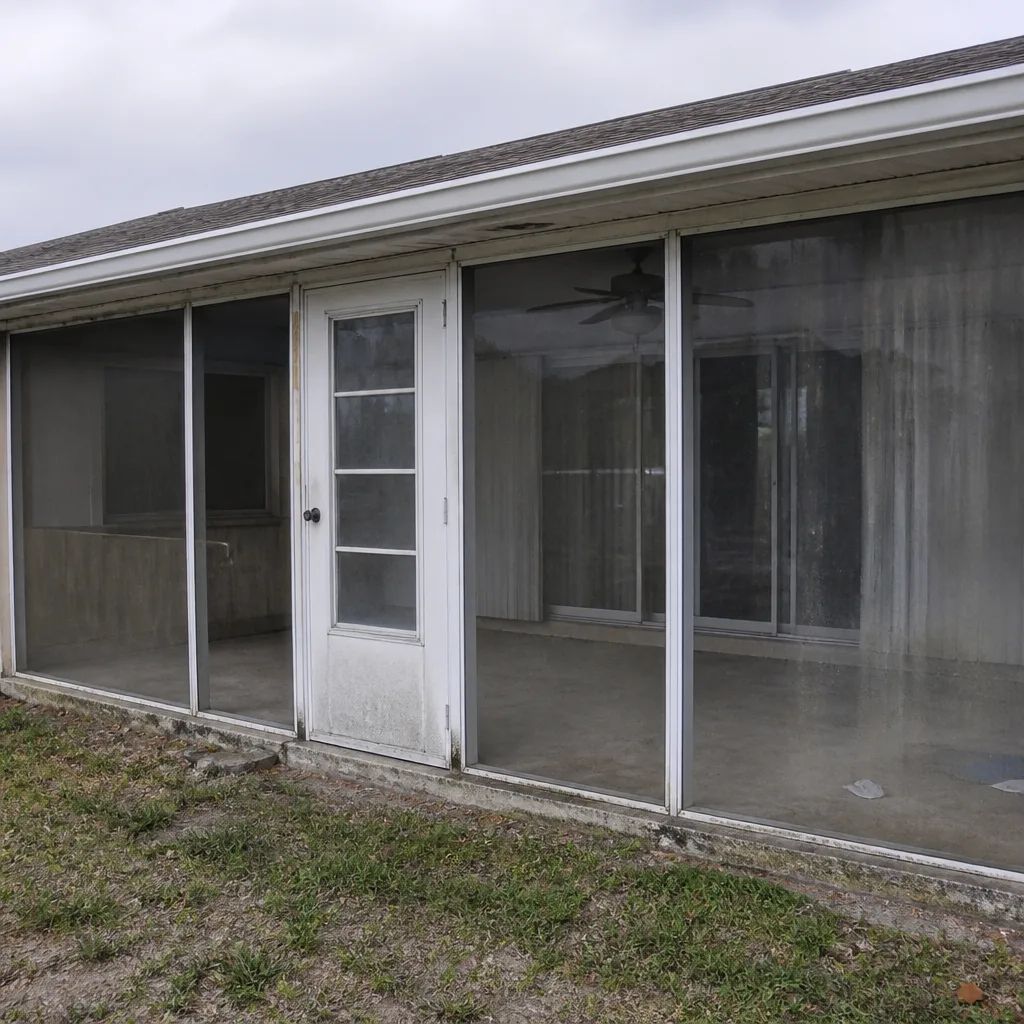 Before
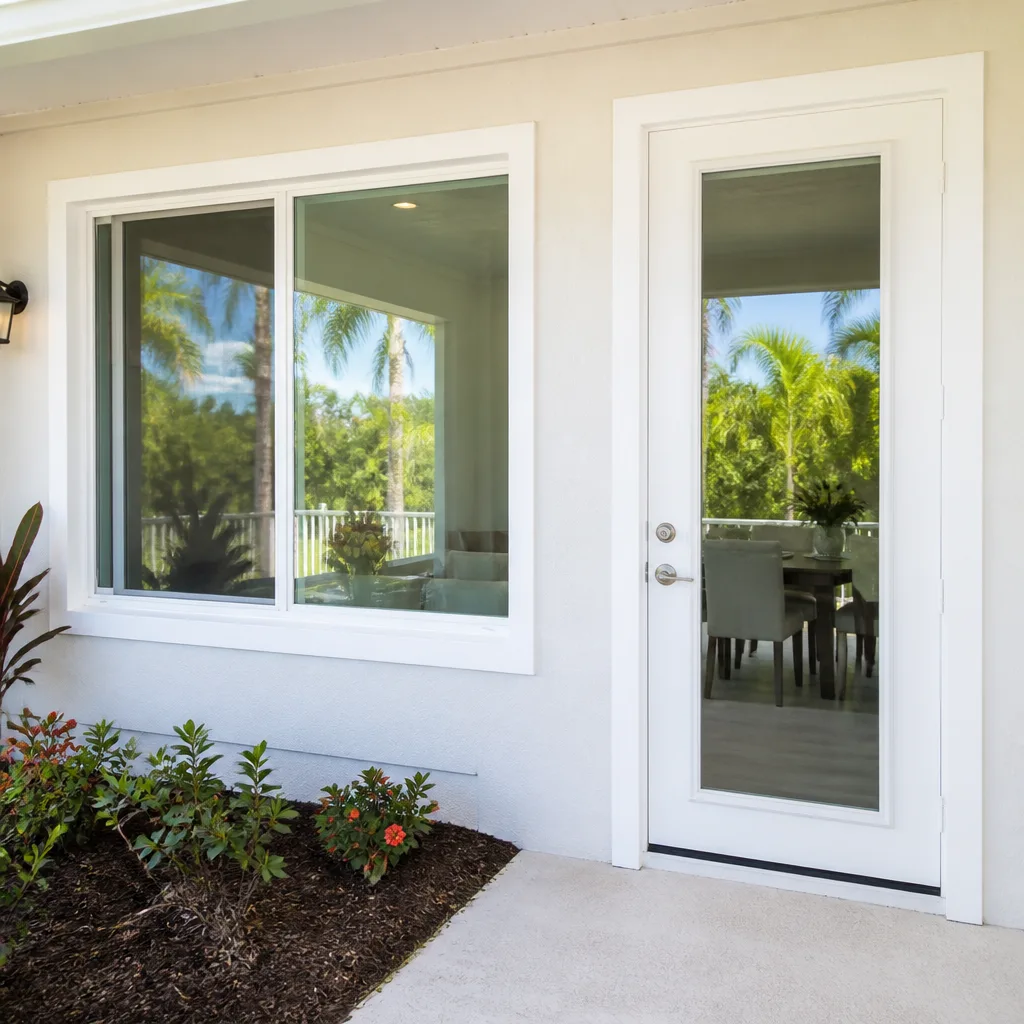 After
After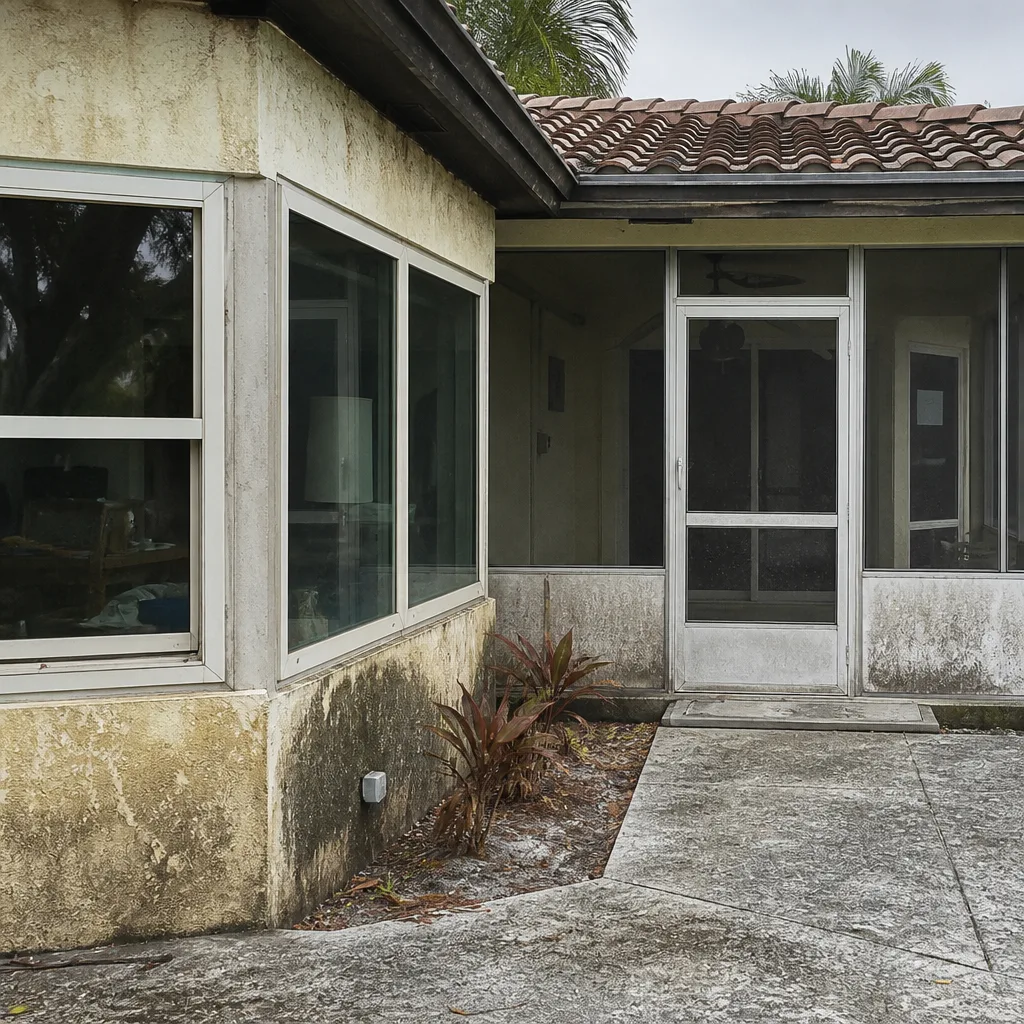 Before
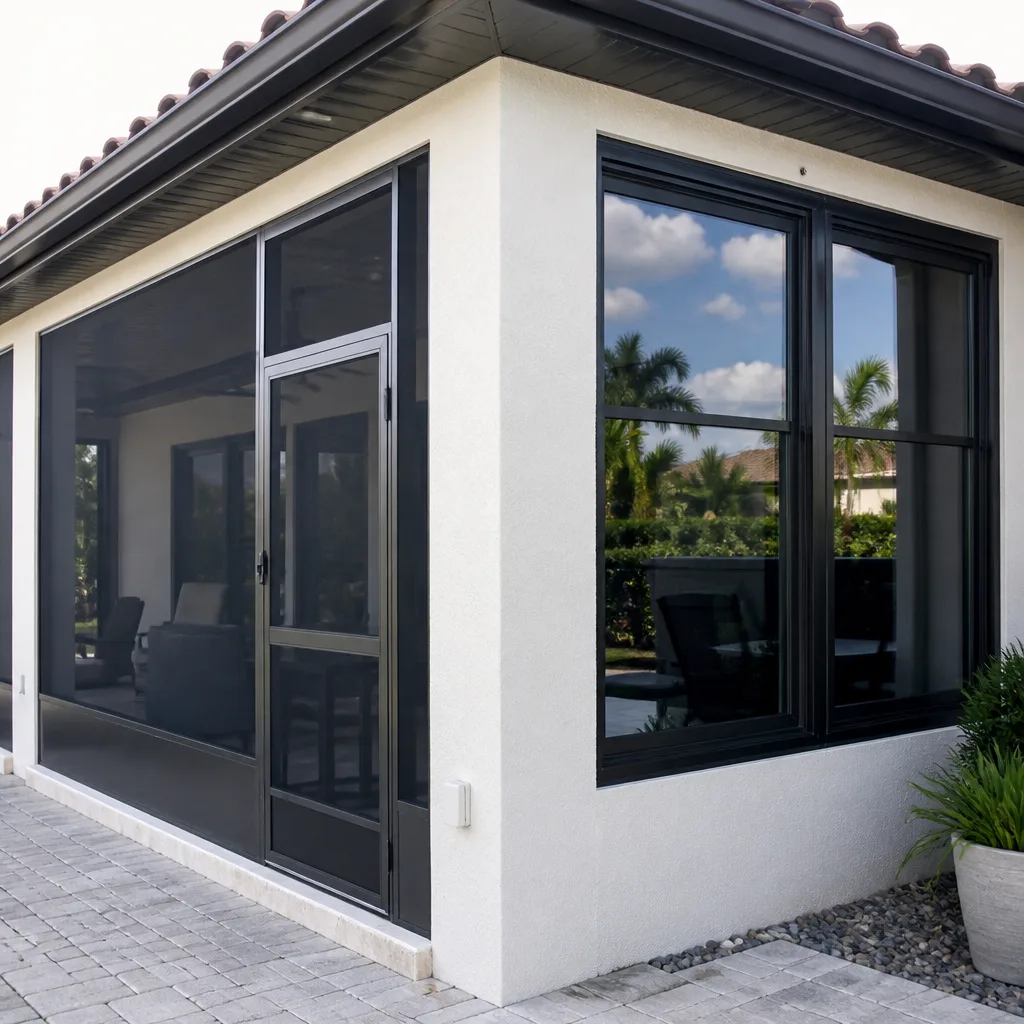 After
After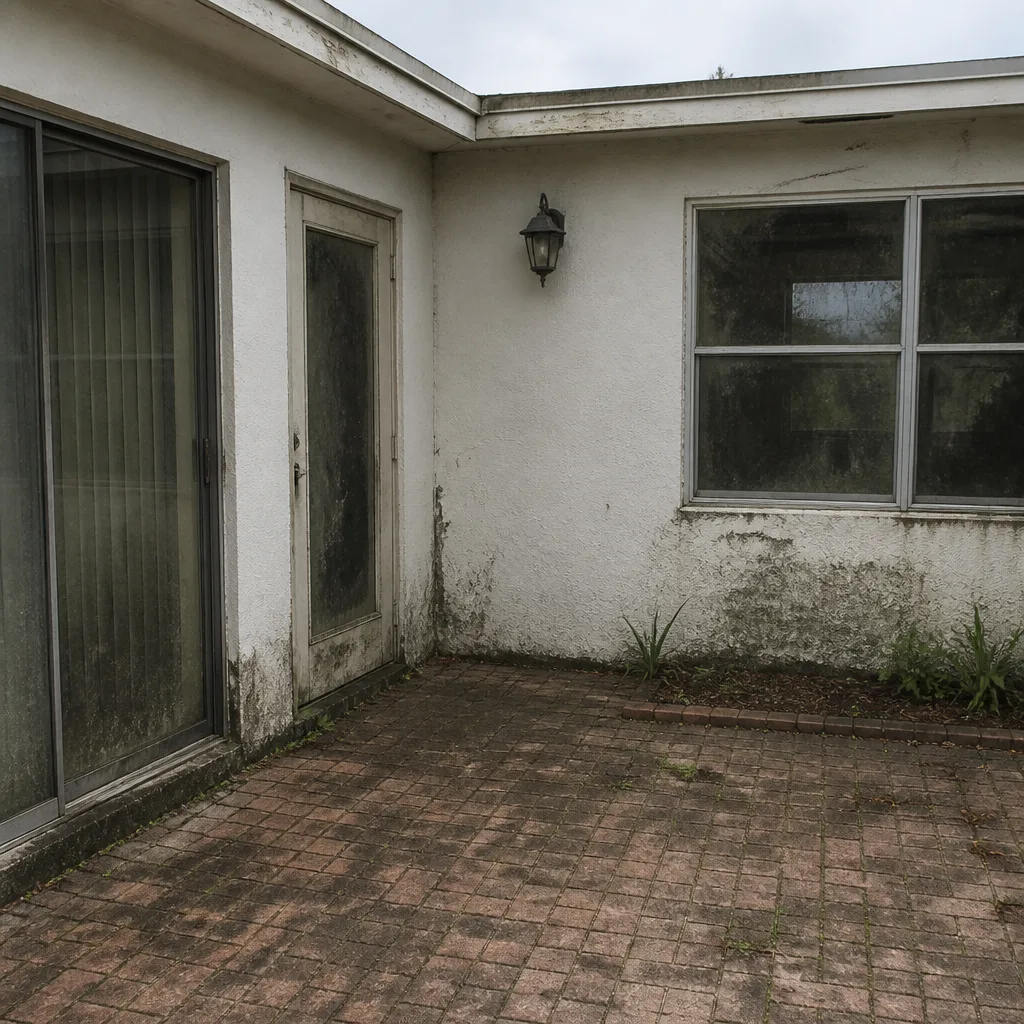 Before
 After
AfterImpact Windows Maintenance Checklist for Fort Myers Homeowners
The laminated glass in a properly rated impact window can absorb a 2×4 traveling at 34 mph, but a blocked weep hole and a cracked gasket can let a Category 1 rain event push moisture into your wall framing faster than a failed panel ever would. In Fort Myers, impact windows do not fail during storms. They fail in the 18 months before one, while salt-laden humidity works on weep holes, sill pans, and sealant joints that no homeowner notices until water is already inside the wall cavity. This guide walks through a month-by-month maintenance calendar tied to actual Southwest Florida weather patterns, how to clear weep holes on three common frame styles, how to read sealant joints, and what voids a manufacturer warranty before the first named storm of the season. For a deeper look at protecting your home, see our Impact Windows solutions.
Quick Answer
An impact window maintenance checklist for Fort Myers breaks into four tasks repeated on a schedule: clear and test weep holes every 60 days, inspect sealant joints at every window corner twice a year, lubricate multipoint locking hardware with dry PTFE spray every six months, and rinse salt residue off frames and tracks monthly during the dry season. The most overlooked item is weep hole function, and the most expensive to ignore is sealant separation at the sill. If you do those four things on schedule, your windows will outlast the warranty instead of outliving your drywall.
Table of Contents
- The Fort Myers Month-by-Month Maintenance Calendar
- How to Inspect and Clear Weep Holes on Casement, Single-Hung, and Sliding Units
- Sealant Joint Inspection: Hairline Separation vs. Cosmetic Aging
- Hardware Maintenance for Impact-Rated Multi-Point Locking Systems
- What Voids an Impact Window Manufacturer Warranty in Florida
- Signs Moisture Has Already Entered the Wall Cavity
- Common Mistakes to Avoid
- When to Call a Professional
- Frequently Asked Questions
- The Bottom Line
The Fort Myers Month-by-Month Maintenance Calendar
Most maintenance guides divide the year by generic seasons. That approach fails in Fort Myers, where the weather runs on a different clock. The dry season runs November through April, the rainy season builds from May through October, and the true test of an impact window’s water management system happens during the daily afternoon downpours of July, August, and September. Here is a calendar built around actual Fort Myers weather patterns, not a four-season template.
January: Salt-Air Flush and Frame Wash
January is the driest month in Fort Myers, with average rainfall under two inches. This is the month to remove salt residue. Coastal air deposits a fine film of salt on aluminum and vinyl frames, and if left through spring, that film draws moisture and accelerates corrosion at screws, strike plates, and track corners. Mix one teaspoon of mild dish soap into a gallon of warm water, wash the frames inside and out, then rinse with clean water. Do not use a pressure washer. A pressure washer drives water past the sealant into the frame cavity and voids most manufacturer warranties in Florida.
February: Track Cleaning and Roller Inspection
February is the month to pull the sliding panels and vacuum the tracks. Fort Myers sits on fine, sandy soil, and that sand gets tracked onto patios and lanais, then blown into door and window tracks. Grit in a track scores the roller wheels and forces the panel to ride high, which tilts the sash and breaks the seal at the bottom sweep. Vacuum the tracks with a crevice tool, wipe them with a dry microfiber cloth, and run a finger along the track for burrs. Any burr means the roller is wearing unevenly.
March: Sealant Pre-Storm Walkaround
March is the last reliably dry month before the rainy season begins. Walk the perimeter of every impact window opening, inside and out, and photograph the sealant joints at all four corners. Photographs create a baseline. When you inspect again in November, you can compare and see whether a gap has widened from hairline to structural. This is also the month to schedule any sealant repair, because silicone and polyurethane need 48 hours of dry weather to cure properly before rain arrives.
April: Pre-Storm Weep Hole Service
April is the month every Fort Myers homeowner should service weep holes. The first heavy rains typically arrive in May, and a weep hole blocked by six months of dust, pollen, and insect debris will not clear itself. Work through every impact window on the house, clear each weep hole, and run a slow trickle of water from a cup across the sill to confirm drainage. This single hour of work in April prevents the water intrusion calls we answer every August.
May: Hardware Torque and Fastener Check
May is the month to check every visible fastener. The thermal expansion cycle, hot days, cool nights, high humidity, drives screws loose over time. Check the screws on multipoint locking strike plates, hinge leaves, and interior glazing beads. Snug them by hand. Do not over-tighten. A half-turn past resistance on a strike plate screw will strip the thread and create a bigger problem than the one you were preventing.
June through September: Monthly Weep Hole and Drainage Verification
During the rainy season, weep holes earn their keep. In Fort Myers, afternoon thunderstorms can drop two inches of rain in an hour, and an impact window’s drainage system moves that water from the sill pan to the outside through channels that clog with pollen, dust, and dead insects. Test drainage monthly. Pour a cup of water slowly along the sill track and watch it exit the weep holes at the exterior sill. If it pools, the weep holes are blocked.
October: Post-Season Hardware Lube and Sealant Touch-Up
October is the transition month. The rain tapers off, humidity drops slightly, and the salt air moves back in from the Gulf. Lubricate all multipoint locking hardware with dry PTFE spray this month, not WD-40. Check every sealant joint and mark any gap that has opened since the March baseline photos. Small touch-ups now are straightforward. The same gap left until March will have widened and admitted water.
November and December: Salt-Air Flush, Round Two
November through January is the salt-air flush season. Repeat the exterior frame wash from January, then open every operable impact window and wipe the weatherstripping with a damp cloth. Closed windows trap salt and humidity in the frame channel, and the corrosion that starts there moves inward to the hardware. Fort Myers sees its lowest rainfall in November and December, which makes these months ideal for any longer maintenance task that requires dry weather.
How to Inspect and Clear Weep Holes on Casement, Single-Hung, and Sliding Units
Weep holes are the small rectangular or round openings along the bottom edge of the exterior frame. They exist to let water drain out of the frame track after rain drives against the glass and into the sill channel. When they clog, water pools inside the frame, evaporates into the wall cavity, and works downward into the sill plate. Here is how to clear them by frame type.
Casement Impact Windows
- Open the casement sash fully and look at the exterior sill from outside.
- Locate the weep holes along the front face of the sill, typically one at each end and one in the middle.
- Insert a thin zip tie (not wire, which scratches the frame) into each hole and work it in and out gently.
- If the zip tie meets resistance, the clog is inside the sill channel. Use compressed air from inside the track to blow it clear, or lift the sash and vacuum the channel from above.
- Pour a cup of water into the interior track and watch for drainage at the exterior weep holes. No drainage means the internal channel is still blocked.
Single-Hung Impact Windows
- Raise the bottom sash and look at the exterior sill edge from outside.
- Single-hung units typically have two weep holes at the bottom of the exterior frame, one under each corner of the sash channel.
- Clear each hole with a zip tie, then clean the interior track with a vacuum crevice tool.
- Check the spring-loaded balance covers along the inside jamb. Dirt buildup there drops into the sill channel below and rebuilds the clog within weeks.
- Test drainage with water. If water exits slowly, the interior channels inside the sill extrusion need to be flushed with warm soapy water and blown clear.
Sliding Impact Windows and Doors
- Slide the operable panel halfway open and look at the exterior bottom track from outside.
- Sliding units have weep holes along the full length of the outer track face, not just at the corners. Count them and photograph them for your records.
- Clear each hole with a zip tie. Do not use a screwdriver or a wire. The aluminum and vinyl track surfaces are soft, and a scratch becomes a corrosion point within months in Fort Myers salt air.
- Remove the sliding panel if possible and vacuum the entire track thoroughly. Sand and shell debris from patio traffic collect in the track and migrate into the weep channel.
- Reinstall the panel, pour water along the interior track, and confirm it exits through each weep hole. A dry weep hole means a clogged channel, even if the hole itself looks clear.
For the tool that costs three dollars and saves three thousand in water intrusion repairs, buy a pack of 8-inch nylon zip ties. They are stiff enough to push through a clog, soft enough to avoid scratching the aluminum or vinyl, and cheap enough to grab a fresh one for every window.
Impact windows are only as good as their drainage, and drainage starts with a clear weep system. The frames themselves are engineered to collect and direct water, and the failure point is almost always the maintenance of that system, not the glass. For a fuller picture of how these units protect a home, read our guide to impact windows in Fort Myers.
Sealant Joint Inspection: Hairline Separation vs. Cosmetic Aging
Every impact window in Fort Myers sits inside a sealant joint that connects the frame to the exterior wall surface, stucco, siding, or brick. That joint flexes with the building and weathers under UV and salt exposure. Knowing the difference between a cosmetic blemish and a failing seal is the difference between a ten-dollar caulk touch-up and a three-thousand-dollar stucco and drywall repair.
Cosmetic Aging Looks Like This
- The sealant has faded or chalked but still adheres to both surfaces with no visible gap.
- There is a fine, even dusting of mold or mildew on the sealant surface, but the material under it is solid.
- Hairline surface cracks run along the top of the bead, but the bead remains attached to both the frame and the substrate.
- The sealant has lost its original shine and looks dull. This is normal after three to five years of Florida UV exposure.
Structural Separation Looks Like This
- The sealant bead has pulled away from the frame or the wall surface, leaving a visible gap that goes deeper than the surface.
- The separation runs continuously for more than six inches along one joint.
- You can slide a piece of paper behind the sealant bead at any point.
- The sealant has cracked through its entire depth, and you can see daylight or the darker substrate behind it.
- The joint has widened since your last inspection, and the gap appears wider at the top of the window than at the bottom.
Silicone Shrinkage vs. Substrate Movement
Silicone shrinks as it cures and ages. A shrinking bead pulls tighter against itself, and the separation appears as a thin line down the center of the bead, like a crack in dried mud. That is normal for aging silicone and is fixed by removing the old bead and applying a fresh one.
Substrate movement looks different. When the walls of a Fort Myers home shift, which they do during the wet-dry cycle of the rainy season, the sealant bead separates from one surface, not down the center. The gap appears between the sealant and the stucco, or between the sealant and the window frame, and it follows the line of the structural joint. If you see separation from the surface, not a center crack, the window may be moving in the opening, or the stucco may be cracking from water already inside the wall. Either way, that is a call for an evaluation, not a caulk gun.
Photograph every joint in March and again in November. A gap that has doubled in width over eight months signals ongoing movement, not aging. A homeowner can caulk an aging bead. A moving window needs a pro to check the rough opening, the fasteners, and the header above.
Hardware Maintenance for Impact-Rated Multi-Point Locking Systems
Multi-point locking hardware on impact windows and doors is the most overlooked maintenance item on any Fort Myers home. These systems use a series of locking pins, hooks, or rollers along the sash edge that engage with strike plates in the frame. They create the seal that keeps wind-driven rain out and keeps the sash locked tight against the weatherstripping. When they corrode, the window still latches, but it does not seal, and the first sign of trouble is usually a draft or a whistle, not a watery leak.
The Corrosion Sequence
- Salt mist settles on the strike plates along the frame edge.
- Condensation forms on the cold metal each morning and evaporates in the afternoon heat, leaving a salt crust.
- The salt crust scratches the protective finish on the strike plate and the locking pin.
- Bare steel is exposed and begins to oxidize, turning first gray, then brown.
- The oxidized surface is softer than the original metal, and every lock-unlock cycle wears it further.
- Eventually the locking pin will not fully engage the strike plate, and the sash hangs loose, which deforms the weatherstripping and opens a path for wind-driven rain.
The sequence starts at the strike plate because strike plates are mounted in the frame, where water sits in the track, and not on the sash, which drains freely when open. In our experience in Fort Myers, we see strike plate corrosion on homes within a half-mile of the Caloosahatchee or the Gulf years before the same hardware corrodes inland, which is why coastal homeowners need to double their hardware inspection frequency.
The Lubricant That Accelerates Failure
Do not use WD-40, motor oil, penetrating oil, or grease on multi-point locking hardware. WD-40 is a solvent and a water displacer, not a lubricant. It strips the thin film of protective factory lubricant, dries quickly, and leaves the metal bare. Grease and oil attract sand, dust, and salt, which forms an abrasive paste that wears the locking pins down faster than no lubricant at all.
The Lubricant That Works
Use dry PTFE spray, also sold as dry Teflon lubricant. It goes on wet, dries to a thin, non-tacky film, and repels dust and salt instead of attracting it. Spray a small amount onto the locking pins, the handle mechanism, and the hinge or roller track, then cycle the window open and closed five times to distribute it. Wipe away any excess with a clean cloth. PTFE spray is safe for aluminum, vinyl, stainless steel, and the nylon rollers used in impact window tracks.
Hardware Inspection Checklist
- Lock and unlock every operable impact window and door monthly during the rainy season.
- Look at the strike plates for gray or brown oxide. Gray oxide means surface corrosion that can be cleaned with a brass brush. Brown oxide means pitting that will continue after cleaning.
- Check the locking pins for wear. A pin that has lost its original shape will not seat fully, even after lubrication.
- Snug every visible screw around the handle, the strike plates, and the hinge leaves. Replace any screw that will not tighten, because the threaded hole has likely wallowed out from corrosion.
- If the handle requires force to turn, stop and call a professional. Forcing a corroded multipoint lock breaks the gearbox inside the sash, and a replacement gearbox costs more than ten years of lubrication.
Hardware maintenance is tied directly to window life. A window that locks cleanly seals tightly, and a window that seals tightly drains properly. The three systems depend on each other, which is why our window installation in Fort Myers always includes hardware calibration as part of the final walkthrough.
What Voids an Impact Window Manufacturer Warranty in Florida
Manufacturer warranties on impact windows are written with Florida weather in mind, but they are also written to be voided. The warranty language is specific, and Florida homeowners lose coverage every year because of routine oversights that a maintenance log would have prevented. Here is what voids coverage in the fine print of most major impact window warranties, including PGT, CGI, and CWS.
Neglected Drainage Maintenance
Every major Florida impact window manufacturer requires that weep holes and drainage channels be kept clear of debris. A blocked weep hole that leads to water intrusion is almost always classified as an installation or maintenance failure, not a manufacturing defect. The water that pooled in the frame, found its way into the wall cavity, and rotted the sill plate did not enter through the glass. It entered through a drainage system that was not maintained. No manufacturer pays that repair.
Pressure Washing
Pressure washing an impact window frame voids most manufacturer warranties in Florida. The high-pressure stream drives water past the weatherstripping and sealant into the frame cavity, where it sits against the interior glazing bead and corrosion points. If a warranty claim comes in with water damage and the homeowner has been pressure washing the exterior, the claim is denied. The same rule applies to impact doors.
Unapproved Sealants and Lubricants
Applying a non-approved sealant to a window joint, like a generic hardware-store silicone over a manufacturer-specified polyurethane, can void the warranty on the frame. The solvents in some common caulks attack the vinyl or the factory finish on aluminum. The same applies to using oil-based lubricants on hardware. The warranty documents list approved products, and the manufacturer expects them to be used.
Insurer Documentation During Claims Adjustment
Here is the part most Fort Myers homeowners do not learn until after a storm. When you file a water intrusion claim after a named storm, the insurer asks for maintenance records. If the adjuster finds that the weep holes were blocked, the sealant was cracked, or the hardware was corroded before the storm, the insurer may classify the damage as gradual deterioration from lack of maintenance, which is excluded on most Florida homeowner policies. A simple maintenance log, with dates and photos, is strong evidence that the water came through the storm, not through years of neglect.
Read the warranty booklet that came with your windows. If you do not have it, call the manufacturer and ask for the maintenance section. Then write the maintenance requirements into a calendar and keep a photo record. That habit is worth more than any extended policy.
Warranty registration matters too. At TruePane Windows & Doors, we register both manufacturer warranty layers in writing before the truck leaves the driveway, and The Keystone Standard means the durations are stated on paper, not promised on a handshake. When you plan a window replacement in Fort Myers, ask whoever you work with to show you the registration before they leave.
Signs Moisture Has Already Entered the Wall Cavity
By the time a homeowner notices a brown water stain on the drywall under a window, moisture has been working inside the wall cavity for months or years. In Fort Myers, where the daily humidity runs high and the rainy season delivers daily downpours, the damage below the surface is often well advanced before the first visible sign appears. Here are the early indicators that water has already found its way past the window system.
Paint and Drywall Signs
- Paint bubbles or blisters along the drywall seam directly below a window, especially at the corners. This is the most common early sign, and it is often dismissed as bad paint.
- A faint yellow or brown halo around the window opening that appears and darkens over time.
- Drywall tape peeling away from the corners of the window opening while the rest of the wall looks fine.
- The paint below the window feels soft or spongy when pressed, even if the color looks normal.
Odor and Mold Signs
- A musty smell in a room that comes and goes with the rain, not with the bathroom or kitchen.
- Black or green speckling on the baseboard trim under a window, especially in corners behind furniture.
- Mold growth on the interior window frame where the sash meets the sill, which means the drainage system is not working and water is sitting inside the frame.
Structural Signs
- The window itself has become harder to open or close over time. Moisture swells the wood in the wall cavity, which shifts the rough opening and binds the frame.
- The exterior stucco below a window shows a hairline crack running vertically downward from the sill corner. Water is traveling behind the stucco and expanding the substrate.
- The sealant joint at the top of the window has widened since the previous inspection, even though the window has not been touched.
If you see any of these signs, the maintenance window has passed. The fix is not a tube of caulk. The fix is opening the wall, drying the cavity, repairing or replacing the damaged framing, and then correcting the drainage or sealant failure that caused it. That is a job for a professional, which is why the maintenance checklist matters. A ten-minute weep hole check in April costs nothing. A rotted sill plate in August costs thousands.
Common Mistakes to Avoid
- Using a pressure washer on impact window frames. Fort Myers homeowners pressure wash patios and pool cages every spring, and the window frames get hit in the process. The high-pressure stream drives water past the weatherstripping and voids the manufacturer warranty.
- Lubricating multipoint hardware with WD-40. It strips the factory lubricant, dries out, and leaves bare metal exposed to salt air. Use dry PTFE spray only.
- Ignoring weep holes because the window still looks fine from the inside. A blocked weep hole does not show on the interior until water has already entered the wall cavity. Check them monthly during the rainy season.
- Caulking over failing sealant instead of removing it first. New sealant over old, cracked sealant creates a cosmetic cap that hides the failing joint underneath. The original bead still leaks, and the new cap traps the water inside.
- Forcing a corroded multipoint lock handle. The gearbox inside the sash is plastic or pot metal, and a forced handle will shear the internal teeth. The lock feels like it is getting stiffer, so you push harder, and then it turns freely because it is broken.
- Using household glass cleaner on impact glass. Many common glass cleaners contain ammonia, which breaks down the seal around the edge of the laminated glass over time. Use a mild soap solution or a cleaner labeled safe for coated and laminated glass.
- Skipping the pre-season walkaround in April. Fort Myers gets its first heavy rain in May, and a sealant joint that was repairable in April becomes a wall cavity leak by August. The calendar exists for a reason.
When to Call a Professional
Most of this checklist is designed for the homeowner with a zip tie, a spray bottle, and an hour on a Saturday. But some conditions call for a trained eye and a shop that stands behind the work. Call a professional when the sealant joint shows separation from the surface rather than a center crack, when a multipoint lock handle requires force, when you see brown oxide pitting on strike plates or locking pins, when the window binds in the frame, when water pools in the track and will not drain even after the weep holes are cleared, or when you see any of the moisture signs listed above, especially peeling drywall tape or soft drywall below a window.
These are not conditions that improve with time, and in Fort Myers, a wall cavity leak becomes a structural repair quickly. TruePane Windows & Doors offers free estimates in Fort Myers. Call (239) 323-5522 and a human being will answer, not a voicemail tree.
Frequently Asked Questions
Inspect weep holes and drainage monthly during the rainy season, from June through September, and inspect sealant joints and hardware twice a year, in March and November. Fort Myers receives the bulk of its annual rainfall in those four summer months, and the daily afternoon thunderstorms are the test that reveals blocked drainage and failing seals.
Yes, clearing weep holes is a homeowner task that takes about ten minutes per window using a nylon zip tie, a vacuum crevice tool, and a cup of water to test drainage. Do not use wire or a screwdriver, which scratch the frame and create corrosion points in the salt air. If water will not drain after clearing the visible holes, the internal channel inside the sill is blocked, and a professional should flush the frame.
The most common problem we see in Fort Myers is blocked weep holes that lead to water pooling inside the frame, which corrodes the multipoint hardware and eventually migrates moisture into the wall cavity. The glass itself rarely fails. The drainage system, the sealant joints, and the hardware fail first, and they fail quietly.
Florida homeowners insurance typically does not cover water damage classified as gradual deterioration from lack of maintenance. If an adjuster determines that blocked weep holes, cracked sealant, or corroded hardware existed before a storm, the claim may be denied. Keeping a dated maintenance log with photographs is the homeowner’s best defense against that denial.
Use dry PTFE spray, also sold as dry Teflon lubricant. It dries to a non-tacky film that repels salt and sand instead of attracting it. Do not use WD-40, motor oil, or grease, which strip the factory lubrication, attract abrasive grit, and accelerate the corrosion that kills multipoint locking systems in coastal Florida.
Properly maintained impact windows in Fort Myers last 20 to 30 years, but the hardware and sealant typically require service at the 8 to 12 year mark. For a full breakdown of what to budget, see our Windows & Doors Cost Breakdown: The Fort Myers Homeowner’s Reference for 2026. The laminated glass itself has no defined lifespan. What ages are the moving parts, the gaskets, the sealant joints, and the drainage channels, which is why the maintenance calendar matters more than the initial purchase.
The Bottom Line
Impact windows in Fort Myers earn their reputation during storms, but they earn their longevity in the quiet months between them. Weep holes cleared with a zip tie. Sealant joints photographed and compared twice a year. Multipoint hardware lubricated with dry PTFE, not oil. Salt washed off the frames during the dry months. These are not complicated tasks, and none of them requires a professional. What they require is a calendar and the discipline to follow it. Homeowners who keep the schedule catch a hairline separation before it becomes a wall cavity leak, and they keep the paperwork that protects a warranty or an insurance claim. Homeowners who wait until water appears on the drywall have already missed the problem by a year or more. For more guides & resources on keeping your windows and doors in top condition, explore our blog. If the pane is not true, the job is not done, and the same rule applies to maintenance. The time to check the weep holes is April, not the morning a named storm is in the Gulf.
For a maintenance check, a seasonal tune-up, or a second opinion on a sealant joint, call TruePane Windows & Doors at (239) 323-5522 to schedule a free estimate. A live person answers the phone, and we have been serving Fort Myers since 2008 with a standard set by Dale Kessler that has not changed: TruePane Windows & Doors home does the work right the first time and stands behind it in writing.
Written by Dale Kessler, Owner at TruePane Windows & Doors, serving Fort Myers since 2008.
Six Reasons Homeowners Choose TruePane Windows & Doors
Impact systems engineered to design pressures up to +/-100, matched to your wind zone - your openings hold when the storm arrives.
Low-E insulated impact glass from our manufacturer lines commonly cuts monthly cooling bills 20-30%.
Laminated impact glass shuts out up to 40% of outside noise - traffic, neighbors, weather.
Monitoring services run $30-90 a month. Laminated impact glass resists forced entry around the clock, with no subscription.
Florida homeowners average around 25% savings on the windstorm portion of their policy after protecting every opening - some homes qualify for more.
A full impact package upgrades curb appeal, buyer confidence and appraised value in one project.