
Last updated August 28, 2026
Free in-home measure and quote - PGT, CGI and CWS impact lines compared on your actual openings, style by style
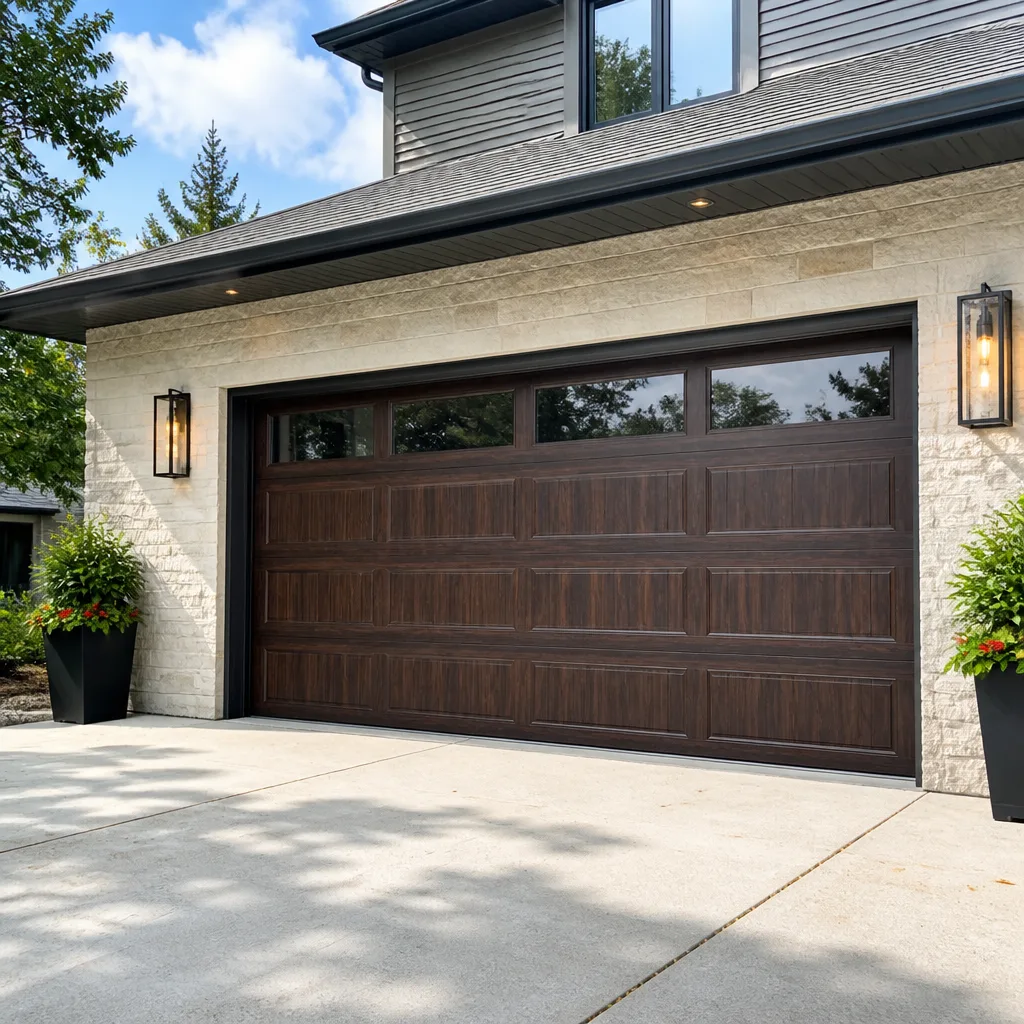

CGI
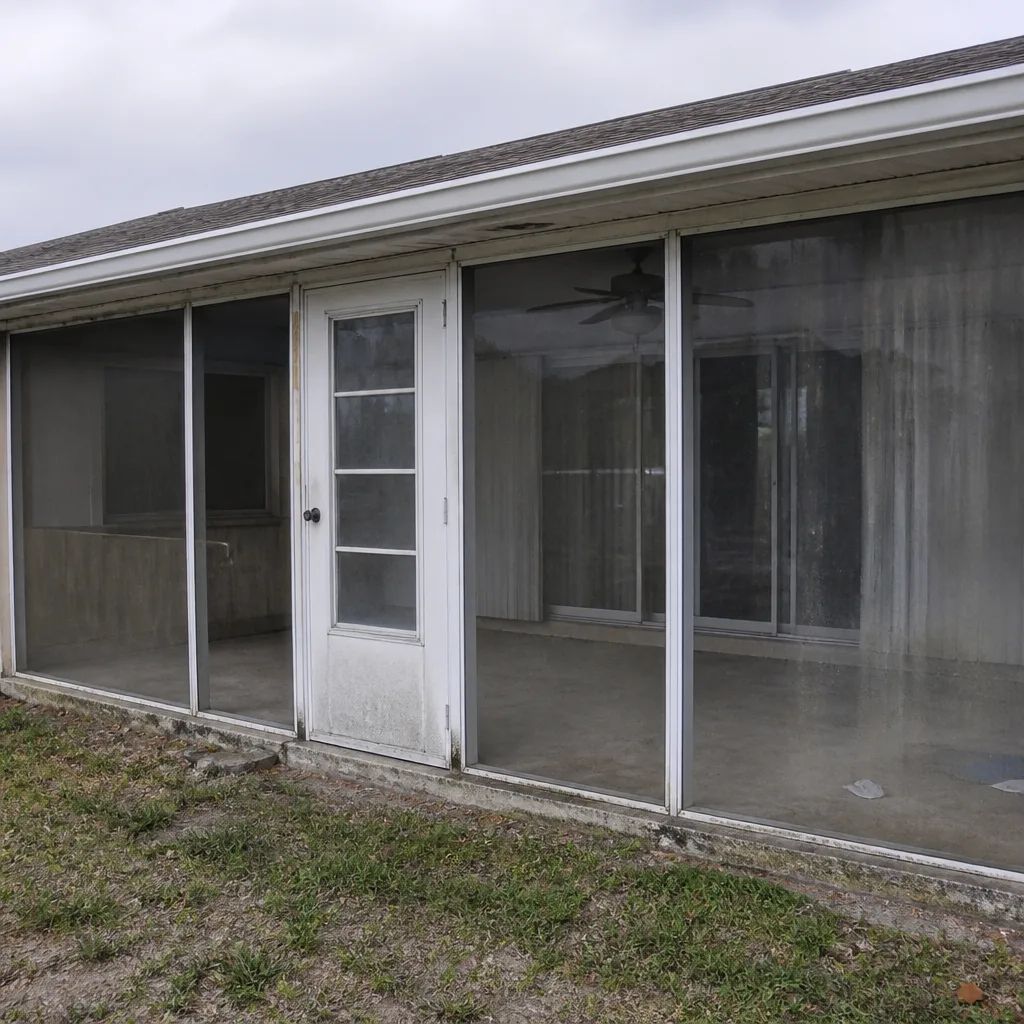 Before
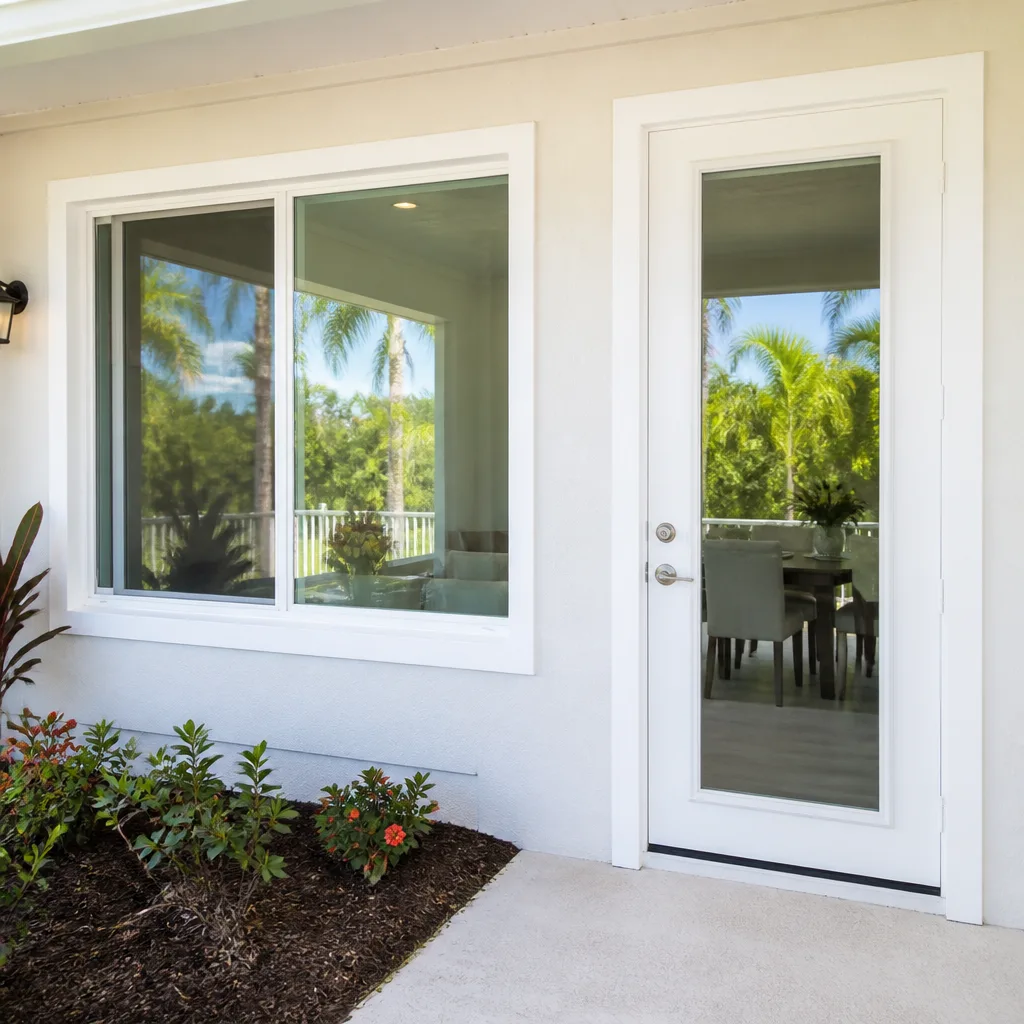 After
After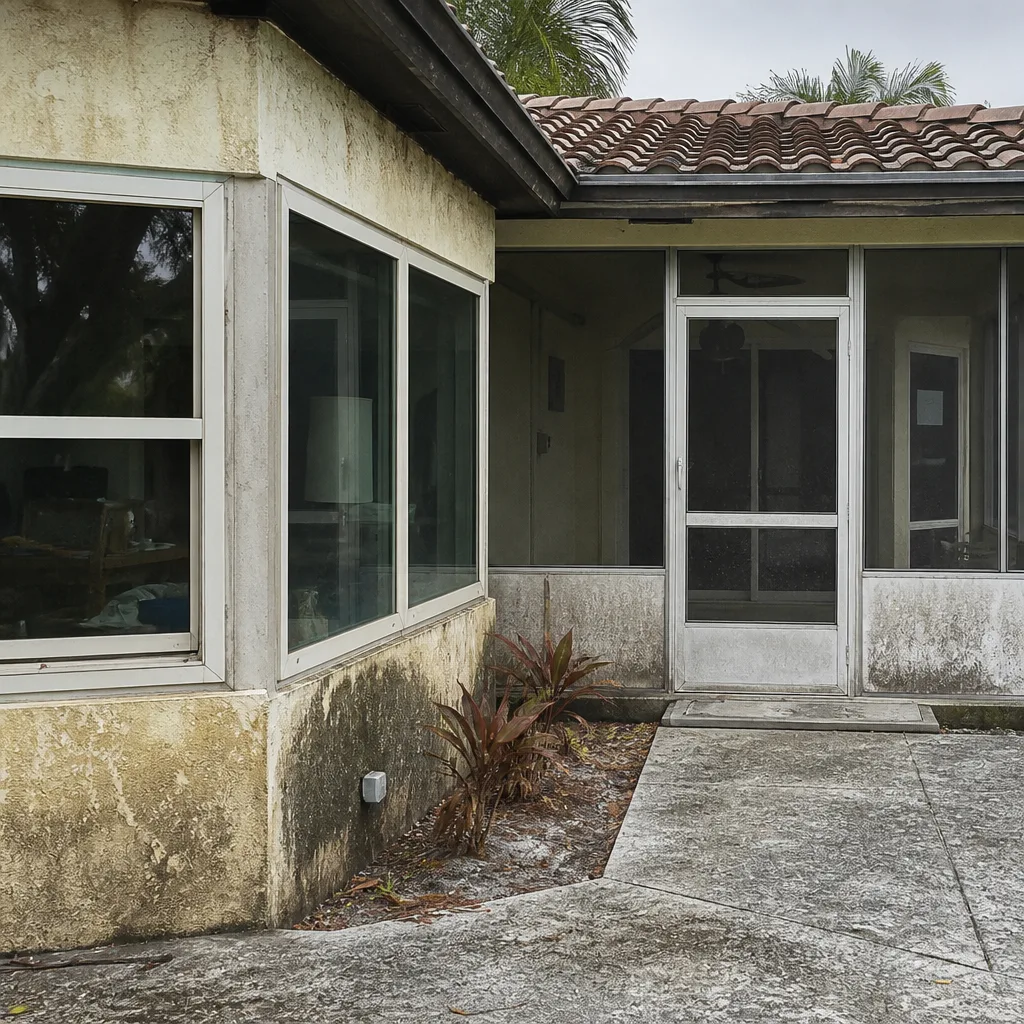 Before
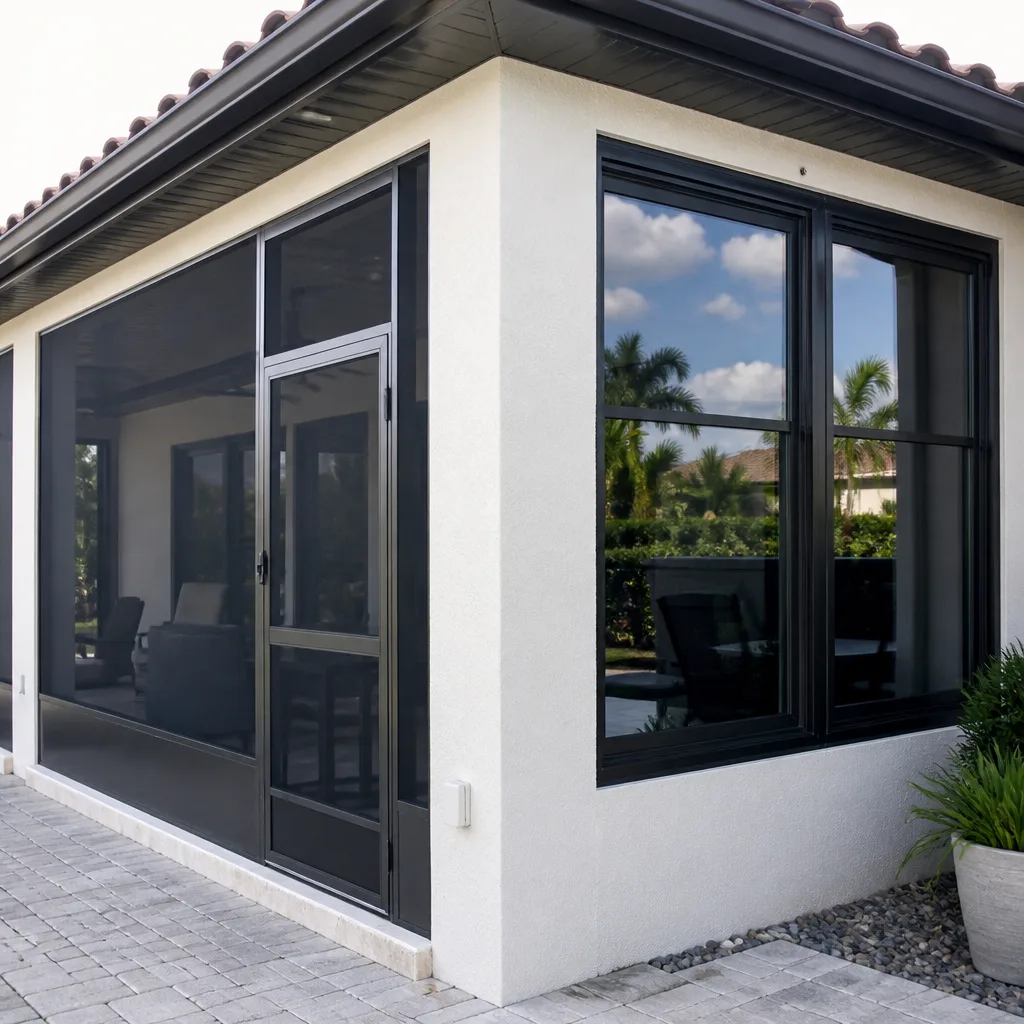 After
After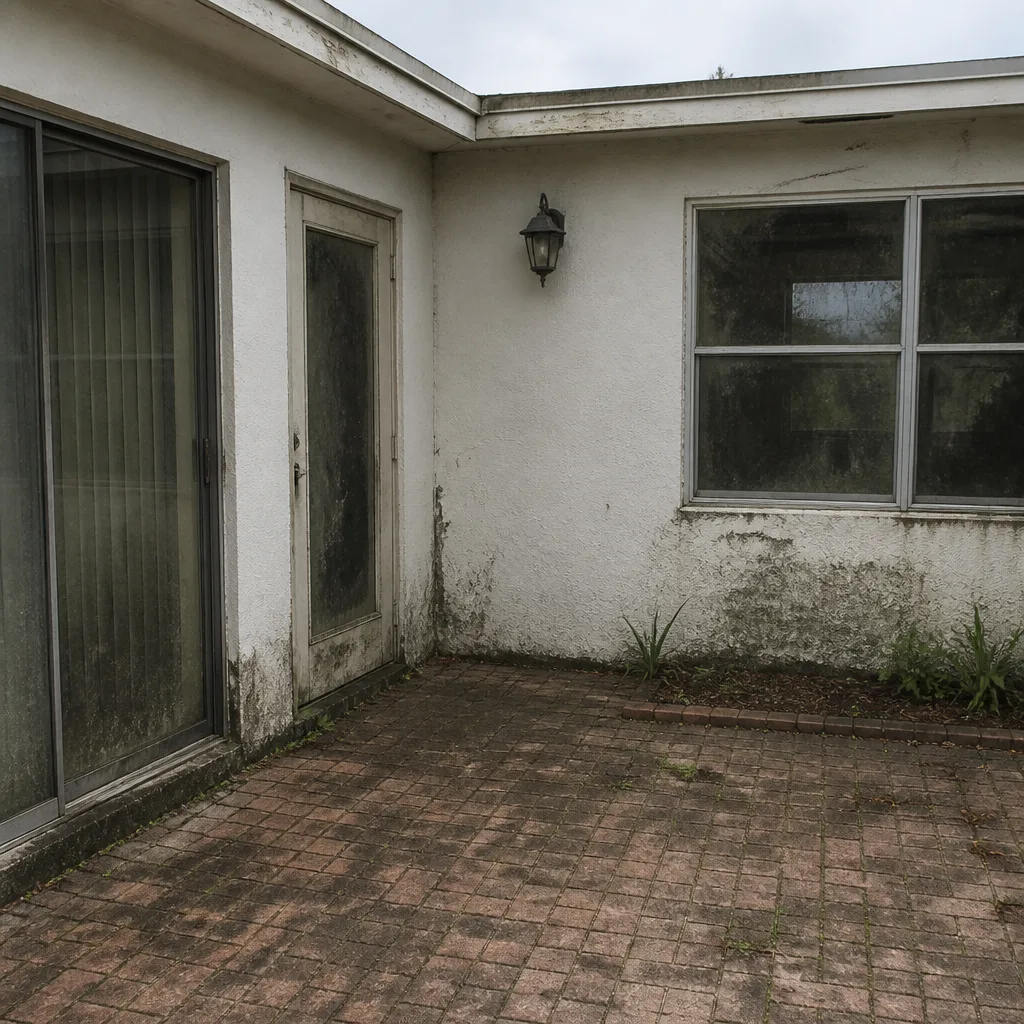 Before
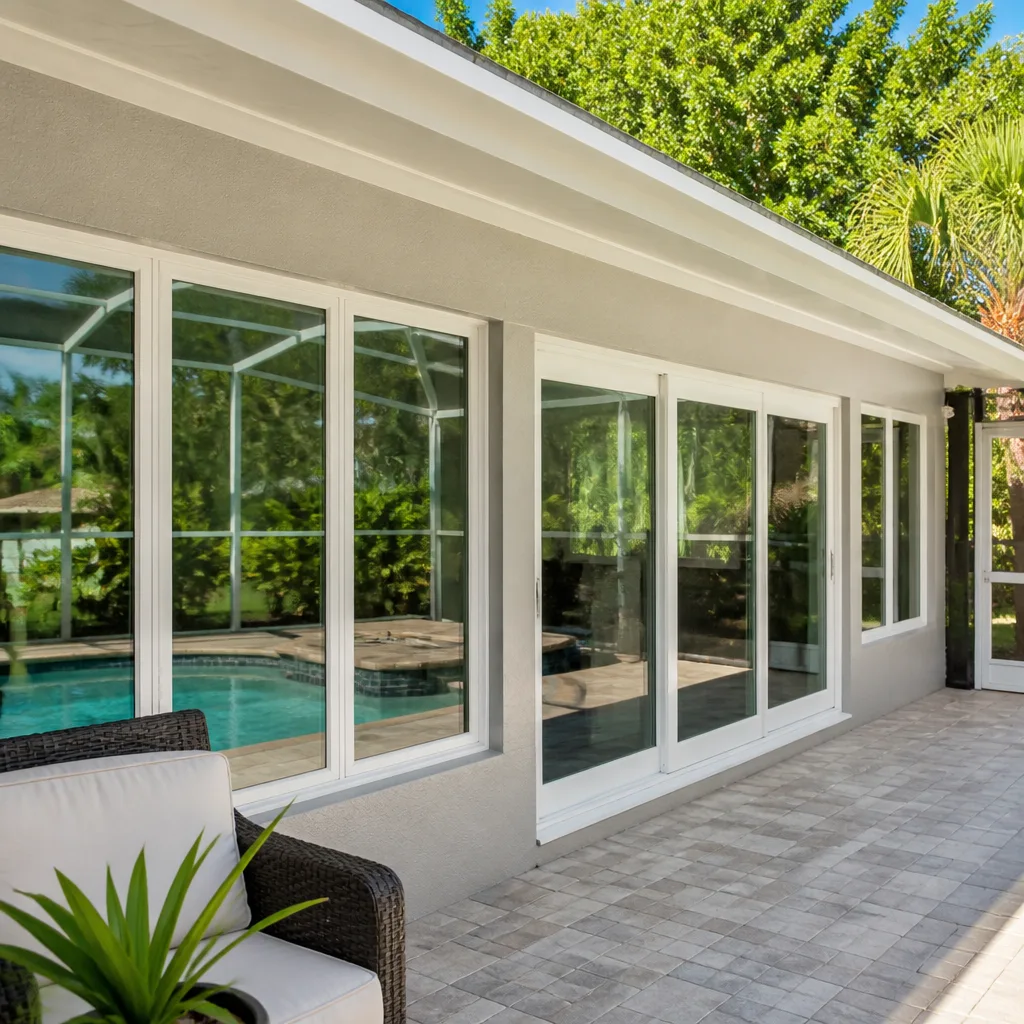 After
AfterThe Complete Guide to Windows & Doors in Fort Myers
A 2023 Insurance Institute for Business & Home Safety study found that properly installed and documented impact openings reduced claim payouts by up to 45%. Yet Florida’s Department of Business and Professional Regulation consistently flags improper fenestration installation as the leading cause of failed post-storm inspections in coastal counties. This guide is written for Fort Myers homeowners who want to understand why windows and doors here are not a single purchase decision. They are three separate decisions: product, installation, and documentation. Get any one of them wrong and it costs more than the other two combined.
Quick Answer
The right windows and doors for a Fort Myers home depend on three things working together: products rated for Lee County’s wind and salt exposure, installation sequenced to Florida Building Code, and paperwork that insurance underwriters will accept at renewal. A homeowner who nails the product but skips the documentation will still lose the insurance discount, and a homeowner with perfect paperwork over a sloppy rough opening will fail the next storm inspection. This guide walks through all three layers so you can compare bids, ask the right questions, and avoid paying twice for the same opening. For more guides & resources, visit our blog.
Table of Contents
- Why Fort Myers Is a Uniquely Aggressive Exposure Zone
- The Product Shortlist: What Actually Belongs on a Fort Myers Bid
- Decoding the Ratings: AAMA, Miami-Dade NOA, and Florida Building Code in Plain Language
- The Three-Layer Documentation Stack Most Contractors Skip
- How Insurance Underwriters Actually Verify Your Window and Door Upgrades
- The Inspection Sequence: Rough Opening, Sheathing, and Final
- What Done-Right Installation Looks Like in Fort Myers
- Common Mistakes to Avoid
Why Fort Myers Is a Uniquely Aggressive Exposure Zone
Fort Myers sits in a wind-borne debris region, which means the building code assumes that during a named storm, something is going to hit your window at speed. That assumption drives every product requirement you will see on a legitimate bid. Lee County spans multiple design pressure zones, and a window that passes in an inland neighborhood off Daniels Parkway may not carry the rating required for a home along McGregor Boulevard or anywhere west of Tamiami Trail. Design pressure, or DP, is the measure of wind force a window or door is certified to resist before failing. Coastal Fort Myers homes routinely require DP 50 or higher, while inland homes may fall under DP 40. Salt spray is a second, quieter aggressor. Aluminum frames that survive for decades in Ohio will pit and corrode within a few seasons within a mile of the Caloosahatchee River or the Gulf. That is why we tell homeowners in Iona, McGregor, and Sanibel-adjacent neighborhoods to look at marine-grade finishes and stainless hardware, not just impact ratings.
Humidity compounds the problem. Fort Myers averages over 70 percent relative humidity through the summer, and that moisture works its way into unsealed frame corners and threshold joints. A door installed without a proper sill pan in this climate will rot the subfloor beneath it within five years, and the homeowner will not know until the tile starts moving. Regular upkeep matters, which is why we also publish an impact windows maintenance checklist for Fort Myers homeowners. The climate is not an afterthought on a bid. It is the first filter.
The practical takeaway: your zip code narrows your product shortlist before you ever meet a salesperson. If a company quotes you a window line without asking whether the home is east or west of US-41, you are talking to someone who does not understand Fort Myers. Our Impact Windows in Fort Myers guide covers the product side of this in more detail.
The Product Shortlist: What Actually Belongs on a Fort Myers Bid
When TruePane meets a Fort Myers homeowner, we bring side-by-side quotes on paper for more than a dozen manufacturer lines, including Andersen, Pella, Marvin, Milgard, Jeld-Wen, PGT, CGI, and ES Windows. The point is not to overwhelm you with options. The point is to show you exactly what you are buying and why one line makes more sense for your exposure zone than another. For coastal and high-exposure homes, we often find ourselves quoting PGT, CGI, and ES Windows because those lines build specifically for the Florida market and carry the Miami-Dade NOA documentation that private carriers in Lee County want to see. For inland homes with a tighter budget, Milgard and Jeld-Wen offer solid mid-range choices, though the hardware and finish packages matter more than the brand name on the sticker.
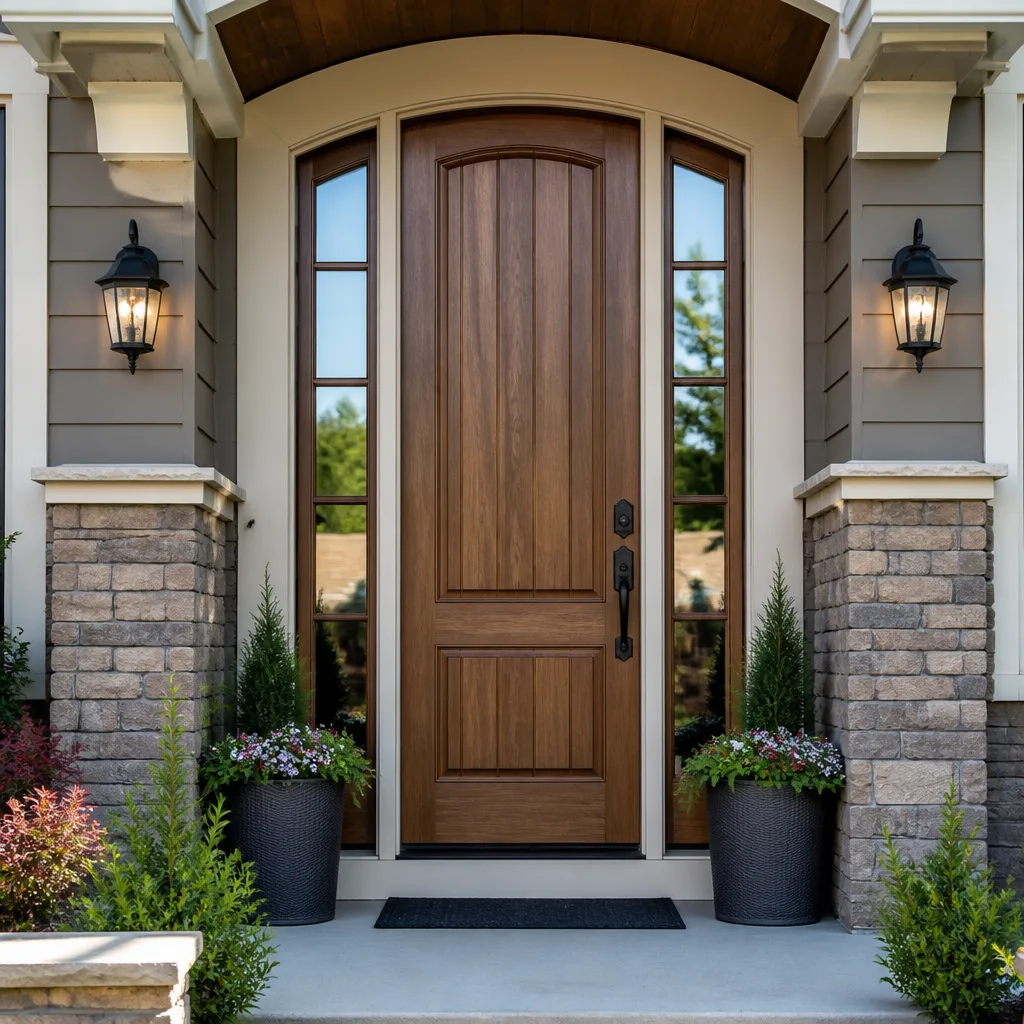
Doors are a separate conversation with the same exposure logic. A Therma-Tru entry door with a rot-resistant frame and a properly sealed threshold makes sense for a Fort Myers front entry. ECO Window Systems and Mr-Glass fill in for specific niches, including custom shapes and glass railing systems, where standard catalogs fall short. We are an authorized installer for these lines, which means the manufacturer has vetted our installation methods and will honor the warranty when we install it. That is not a small detail. A warranty is only as good as the installer behind it.
What belongs on your shortlist is not just a brand name. It is a product with the right DP rating, a marine-grade finish if you live within salt reach, Low-E glass with a solar heat gain coefficient appropriate for southwest Florida, and Miami-Dade or Florida Product Approval numbers that your insurance carrier will recognize. If a bid does not list those numbers, it is incomplete.
For more on what goes into a proper replacement job, read our Window Replacement in Fort Myers page.
Decoding the Ratings: AAMA, Miami-Dade NOA, and Florida Building Code in Plain Language
Most homeowners glaze over when a bid references AAMA 450 or a Miami-Dade NOA number. That is exactly why some contractors get away with quoting products that do not meet the standard for the home they are installing into. Here is the plain-language translation.
AAMA stands for the American Architectural Manufacturers Association. It sets performance standards for windows and doors, including air infiltration, water penetration, and structural load. When a product says it is AAMA certified, it has been tested against those standards by an independent lab. AAMA certification matters, but it is not the same as a Florida-specific approval. A product can pass AAMA and still not carry a Florida Product Approval number.
Miami-Dade NOA is the stricter standard. It originated in Miami-Dade County after Hurricane Andrew and remains the benchmark for wind-borne debris protection in coastal Florida. A product with a Miami-Dade Notice of Acceptance has passed impact testing and cyclic wind pressure testing that other certifications to not require. Many Fort Myers insurance carriers, including Citizens, treat Miami-Dade NOA as the gold standard when verifying discounts. If you live west of US-41 or in a flood zone, this is the documentation you want on your bid.
Florida Building Code sets the baseline for every county in the state, including Lee County. All windows and doors installed in Fort Myers must meet the current Florida Building Code for structural design and product approval. The code references the Florida Product Approval system, which assigns a unique FL number to every approved product. A legitimate bid should list the FL product approval number for every window and door line quoted.
The trap is when a contractor quotes a product that meets the building code minimum but does not meet the Miami-Dade NOA that your insurance carrier wants for a discount. You end up with a window that passes code but fails underwriting. That gap is invisible to the homeowner until renewal, when the discount never shows up. We quote both ratings side by side so there is no ambiguity.
The Three-Layer Documentation Stack Most Contractors Skip
Installation is the visible work. Documentation is the invisible work, and it is where Fort Myers homeowners lose the most money. There are three layers, and most contractors hand over one of them and call it done.
- Notice of Commencement. Florida law requires a Notice of Commencement for most residential construction work over a certain dollar threshold, and window and door replacement regularly clears it. The Notice of Commencement is recorded with Lee County and establishes the legal start of the project, the owner, the contractor, and the property. It protects both parties if a lien dispute arises. If your contractor skips this, you are exposed in ways that have nothing to do with the quality of the glass.
- Florida Product Approval numbers. Every window and door product installed in Fort Myers should have a Florida Product Approval number tied to the specific model, size, and performance rating. This number is what an underwriter or building inspector looks up to verify the product actually meets the stated design pressure. A bid without FL numbers is a bid you cannot verify.
- Dual warranty registration. This is what we call The Keystone Standard at TruePane. Both manufacturer warranty layers get registered in writing, with durations stated, before the truck leaves the driveway. Most contractors register the manufacturer’s standard material warranty and leave it at that. The second layer, often the glass seal warranty or the finishing warranty, never gets registered, and when a seal fogs in year six, the homeowner learns the coverage does not apply. We register both layers and hand you the paper.
These three documents, taken together, are what a Fort Myers homeowner should expect from any window or door job. If a contractor will not produce all three before final payment, the job is not done, regardless of how the window looks from the curb.
How Insurance Underwriters Actually Verify Your Window and Door Upgrades
Citizens Insurance and private carriers in Southwest Florida have gotten specific about what they will and will not accept when a homeowner claims a wind mitigation discount for new windows and doors. The days of a one-line receipt from a contractor are over. Underwriters now ask for the Florida Product Approval number, the installation date, and often a signed statement from the installer confirming that the products were installed according to the manufacturer’s instructions and the Florida Building Code. They may also ask for a copy of the Notice of Commencement to verify the project was legally recorded.
The gap that kills discounts at renewal is almost always the same: the homeowner has a receipt that says “impact windows installed,” but no FL product approval number, no installation statement, and no proof the product is rated for the design pressure zone the home sits in. The carrier denies the discount, not because the windows are bad, but because the paper trail is thin. The homeowner can appeal, but by then the contractor is gone and the receipt is all that remains.
Here is what we tell Fort Myers homeowners to keep in a folder after any window or door job:
- The signed contract with the specific product lines, sizes, and DP ratings listed per opening.
- The FL product approval numbers for every product installed.
- A copy of the recorded Notice of Commencement.
- Written confirmation that both manufacturer warranty layers were registered, with durations stated.
- The installer’s license number and contact information for future verification.
That folder is worth real money at renewal. It is also the difference between a discount that survives a carrier audit and one that quietly disappears. Our Window Installation in Fort Myers page explains what a full installation file should contain.
The Inspection Sequence: Rough Opening, Sheathing, and Final
Lee County’s inspection process for window and door replacement is sequenced, and skipping the sequence voids more warranties than any product defect. Here is how the three stages work and what each one catches.
- Rough opening inspection. This happens after the old window or door is removed and before the new product goes in. The inspector checks the framing, the condition of the rough opening, and the flashing preparation. If the rough opening is rotted, out of square, or undersized, this is the moment to fix it. Installing a new window into a bad rough opening means the product is compromised the day it is installed. In our experience, a significant share of Fort Myers homes over 30 years old have some degree of rough opening rot that is invisible until the old window is pulled.
- Sheathing inspection. This inspection verifies the water-resistive barrier and flashing details around the opening. It is the layer that keeps moisture out of the wall cavity. In Fort Myers humidity, a skipped or failed sheathing inspection translates directly into mold behind the drywall within a few seasons. The inspector is looking for peeled flashing, improper lapping of the barrier, and gaps where water can track in.
- Final inspection. This is the stage most homeowners know about, the once-over after the window is installed and the trim is complete. The final inspection verifies that the product is what was permitted, the installation matches the product approval, and the opening operates correctly. It is the last gate before the job is legally complete.
The reason the sequence matters is simple: a contractor who rushes past the rough opening inspection to get the window in the hole has just placed a new product over an old problem, and the manufacturer’s warranty will not cover a failure caused by the opening. The warranty covers the product, not the hole it was put into. Done right, the sequence protects the homeowner. Done wrong, it protects nobody.
What Done-Right Installation Looks Like in Fort Myers
There is a difference between a window that is installed and a window that is installed true. The difference is why we measure every opening twice, and why Dale Kessler keeps the same rule on the whiteboard he started with: if the pane is not true, the job is not done. It is not a slogan. It is the standard the company was founded on in 2008, built out of a principle that out-of-true installs and voided warranties were problems worth fixing permanently.
Here is what done-right installation looks like on a Fort Myers job.
- The opening is measured, then measured again. A rushed measurement is the root cause of most installation problems: gaps, binding, out-of-square reveals, and weatherstripping that fails within a year.
- The rough opening is corrected before the new product goes in. Rotted framing gets cut out and replaced. Out-of-square openings get shimmed and squared. The new window goes into a sound opening, not over a hidden problem.
- Flashing is lapped, not just taped. In a climate that gets 55 inches of rain a year, the flashing sequence is the difference between a dry wall cavity and a mold problem. Each layer overlaps the one below it so water drains out, not in.
- The product is set level, plumb, and true. A window a quarter-inch out of square will bind the sash, stress the glass, and eventually fail the seal. True means true on all four corners.
- Both warranty layers are registered in writing before the truck leaves. The homeowner gets the paper with durations stated. No argument later about whether the coverage applies.
We hire local, train apprentices into journeymen, and send background-checked, uniformed technicians to every job. The company plans to be in Fort Myers in thirty years, and the work shows it. That is the difference between a transaction and a craft commitment, and it is the difference between a window that lasts fifteen years and one that lasts eight.
The full scope of true installation, including how we sequence it, is on our TruePane Windows & Doors home page.
Common Mistakes to Avoid
- Buying a product without a Florida Product Approval number. If the bid will not list the FL number, you cannot verify the product’s rating, and your insurance carrier will not either. Ask for it before you sign.
- Replacing windows without touching the rough opening. A new window over a rotted or out-of-square opening is a product failure waiting to happen. The warranty will not cover it because the opening was the problem.
- Accepting a receipt instead of a documentation stack. A receipt proves you paid. It does not prove the product is code-compliant, properly rated, or warrantied. Demand the Notice of Commencement, the FL approval numbers, and written warranty registration.
- Choosing a product for a Miami home and installing it in Fort Myers. Miami-Dade County has its own code and its own NOA process. Fort Myers falls under Lee County and the Florida Building Code. A product approved in Miami is not automatically right for Fort Myers, and vice versa. The zones and the paperwork are different.
- Skipping the flashing conversation entirely. Flashing is invisible once the trim goes on, and it is the most common place for a contractor to cut a corner. Ask how the flashing will be lapped before you sign.
- Assuming the manufacturer’s warranty covers the installation. It does not. The manufacturer covers the product. The installation is covered by the installer, and that coverage is only as good as the installer’s willingness to stand behind it. Ask for a written workmanship warranty with a stated duration.
- Replacing all the windows and ignoring the doors. A set of impact windows does nothing for a hollow-core front door or a slider with a rotted threshold. Fort Myers homes lose as much to doors as they do to windows in a storm. The opening is the opening, whether it holds glass or a slab.
When to Call a Professional
If you live in Fort Myers and you are looking at a window or door that is fogged, binding, leaking, or original to a home built before the current Florida Building Code standards, call a professional before you touch anything. Impact-rated products are not a DIY category. The flashing sequence, the product approval paperwork, and the rough opening repair all require a licensed, experienced installer who carries the right product knowledge and does not improvise. A mistake in the rough opening or flashing will not show up for years, and by the time it does, the manufacturer’s warranty will not cover the damage. TruePane Windows & Doors offers free estimates in Fort Myers, call (239) 323-5522 to schedule one. We will measure, quote the right product lines for your exposure zone, and show you the paperwork before any work begins.
Frequently Asked Questions
Impact windows in Fort Myers typically run between $75 and $125 per square foot installed, depending on the product line, size, and whether the home requires Miami-Dade NOA-rated products or standard Florida Product Approval products. The total for a full-home replacement on a typical 1,800-square-foot Fort Myers house usually lands between $18,000 and $35,000. Coastal exposure zones and custom sizes push the number higher. Call (239) 323-5522 for an exact quote, estimates are free.
Miami-Dade NOA is a stricter certification that originated in Miami-Dade County and includes impact and cyclic pressure testing that standard Florida Product Approval does not always require. Fort Myers falls under the Florida Building Code and the Florida Product Approval system, but many insurers in Lee County, including Citizens, treat Miami-Dade NOA as the benchmark for wind mitigation discounts. A product can carry Florida Product Approval without Miami-Dade NOA, but the opposite is rarely true.
Yes, but only if the paperwork is complete. Fort Myers homeowners can qualify for wind mitigation discounts when impact-rated windows and doors are installed with Florida Product Approval numbers, a recorded Notice of Commencement, and written confirmation that the products meet the design pressure requirements for the home’s location. A receipt without those documents will not earn the discount, and the carrier will verify the file at renewal. Call (239) 323-5522 if you want to know what your folder should contain.
Yes, you can replace a single window. The challenge is matching the existing product line, glass package, and frame finish, especially if the original windows are more than ten years old and the manufacturer has changed the product. We match what can be matched and give you a straight answer when it cannot. A single opening gets the same documentation stack as a full house: FL approval number, proper flashing, and both warranty layers registered.
Most full-home window replacements in Fort Myers take three to five working days from start to finish, including the rough opening inspection, installation, and final inspection. Single openings are often completed in one visit. The timeline stretches when the rough opening needs structural repair or when the permit review takes longer than usual at Lee County. We give you a schedule in the contract and we hold to it. Workmanship is guaranteed for 90 days through our Done Right Promise, with no paperwork fights and no arguing.
Look for a contractor who is licensed and insured in Florida, has a physical presence in Fort Myers or Lee County, and will state the FL product approval numbers and warranty durations in writing before you sign. For a step-by-step approach, see our guide on how to hire a windows and doors contractor in Fort Myers. Ask for the Notice of Commencement, ask how they handle rough opening repair, and ask for the workmanship warranty in writing. A company that will not answer those questions in plain language is not the company you want inside your walls. Call (239) 323-5522 for a free estimate and we will walk you through every layer.
The Bottom Line
Windows and doors in Fort Myers are not one decision. They are a product decision, an installation decision, and a documentation decision, and the climate and insurance market in Lee County punish any homeowner who treats them as a single trip to the supply house. Buy the right product for your design pressure zone and salt exposure, insist on true installation that respects the rough opening, and hold a complete paperwork stack before final payment. That is the difference between a job done right and a job done twice. TruePane Windows & Doors has served Fort Myers since 2008, with over 42 years of community heritage behind it, and every job is backed by the 90-Day Done Right Promise and The Keystone Standard. Call (239) 323-5522 for a free estimate and we will show you the paperwork before we show you the price.
Written by Dale Kessler, Owner at TruePane Windows & Doors, serving Fort Myers since 2008.
Six Reasons Homeowners Choose TruePane Windows & Doors
Impact systems engineered to design pressures up to +/-100, matched to your wind zone - your openings hold when the storm arrives.
Low-E insulated impact glass from our manufacturer lines commonly cuts monthly cooling bills 20-30%.
Laminated impact glass shuts out up to 40% of outside noise - traffic, neighbors, weather.
Monitoring services run $30-90 a month. Laminated impact glass resists forced entry around the clock, with no subscription.
Florida homeowners average around 25% savings on the windstorm portion of their policy after protecting every opening - some homes qualify for more.
A full impact package upgrades curb appeal, buyer confidence and appraised value in one project.