

Last updated August 28, 2026
Free in-home measure and quote - PGT, CGI and CWS impact lines compared on your actual openings, style by style



CGI
 Before
 After
After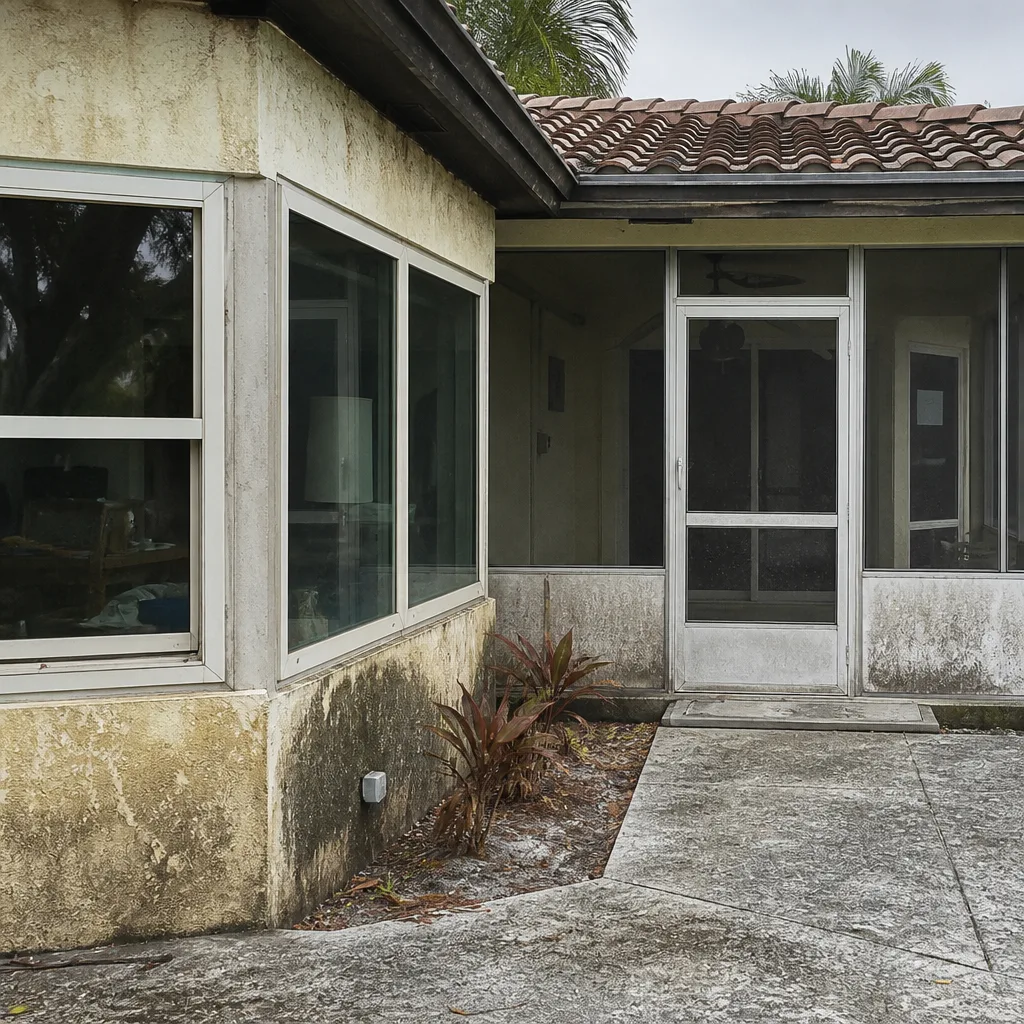 Before
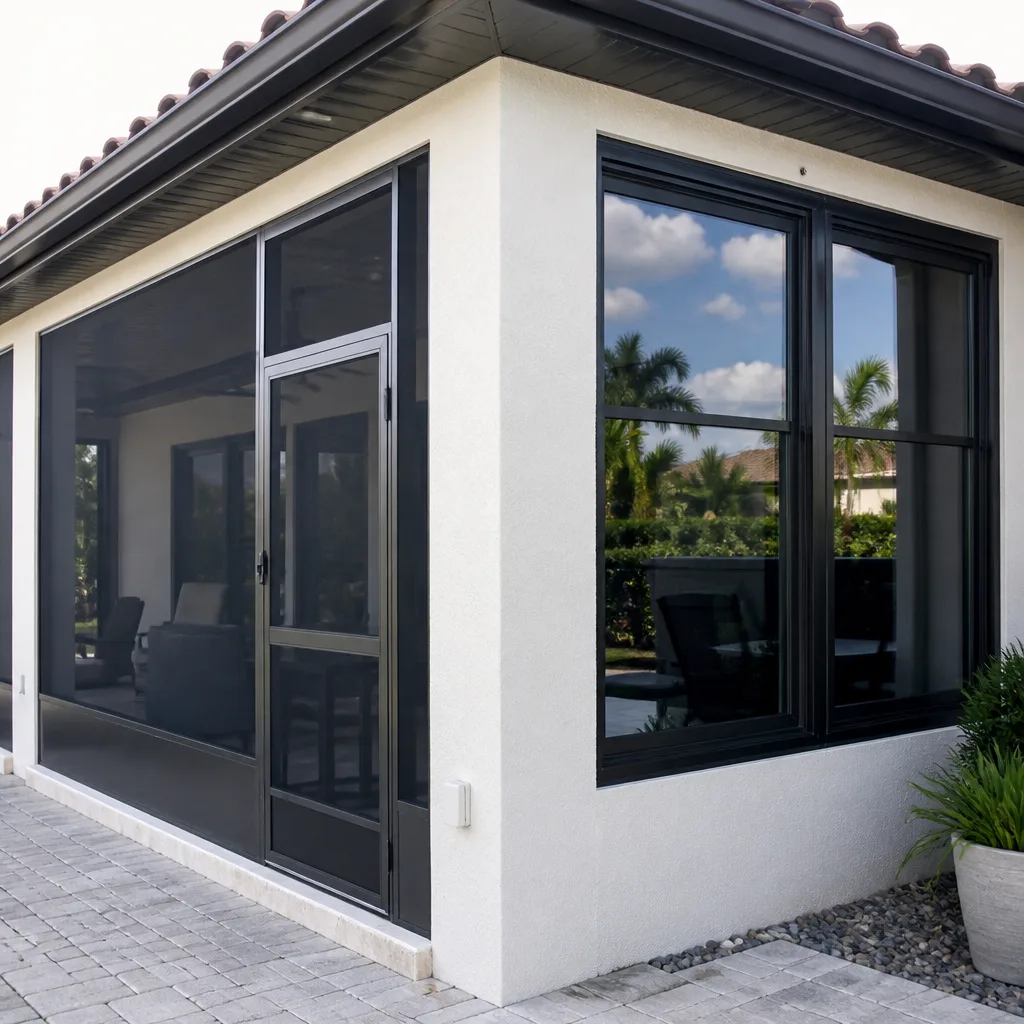 After
After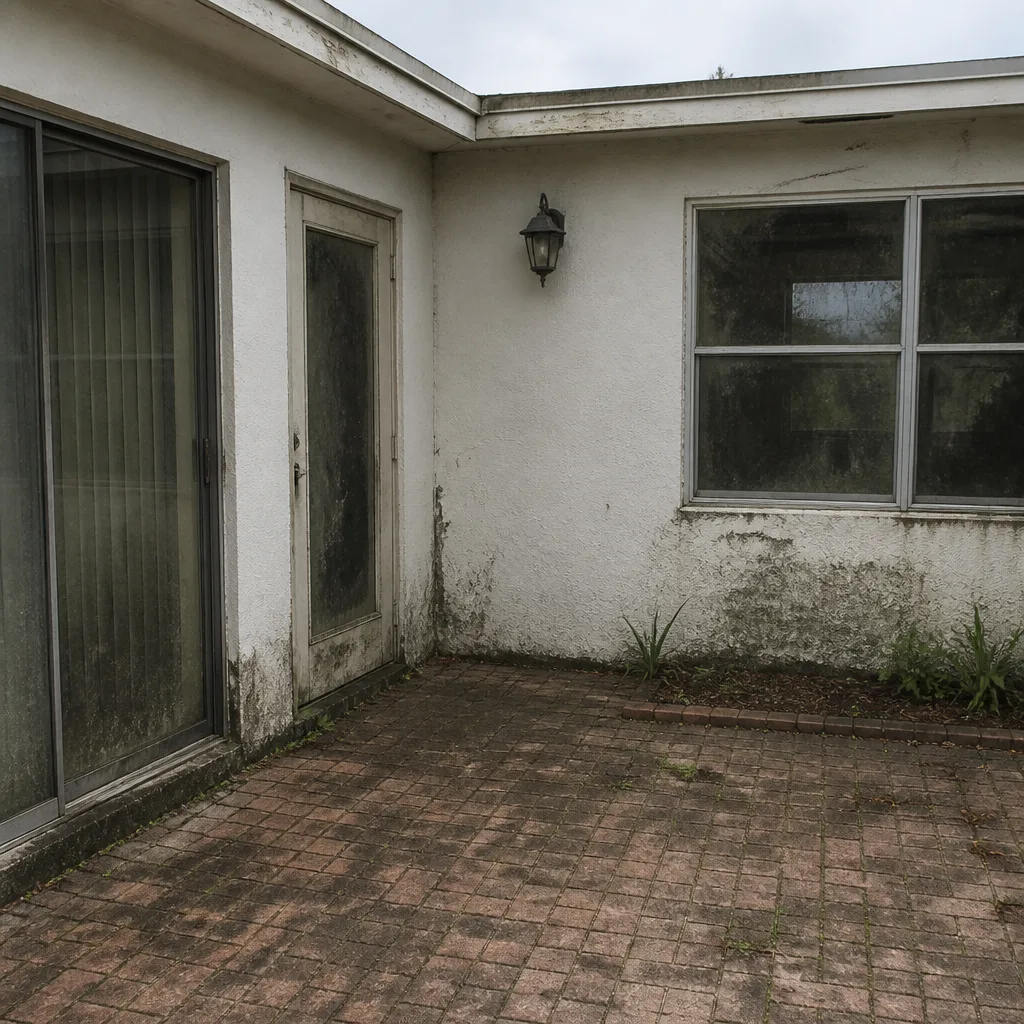 Before
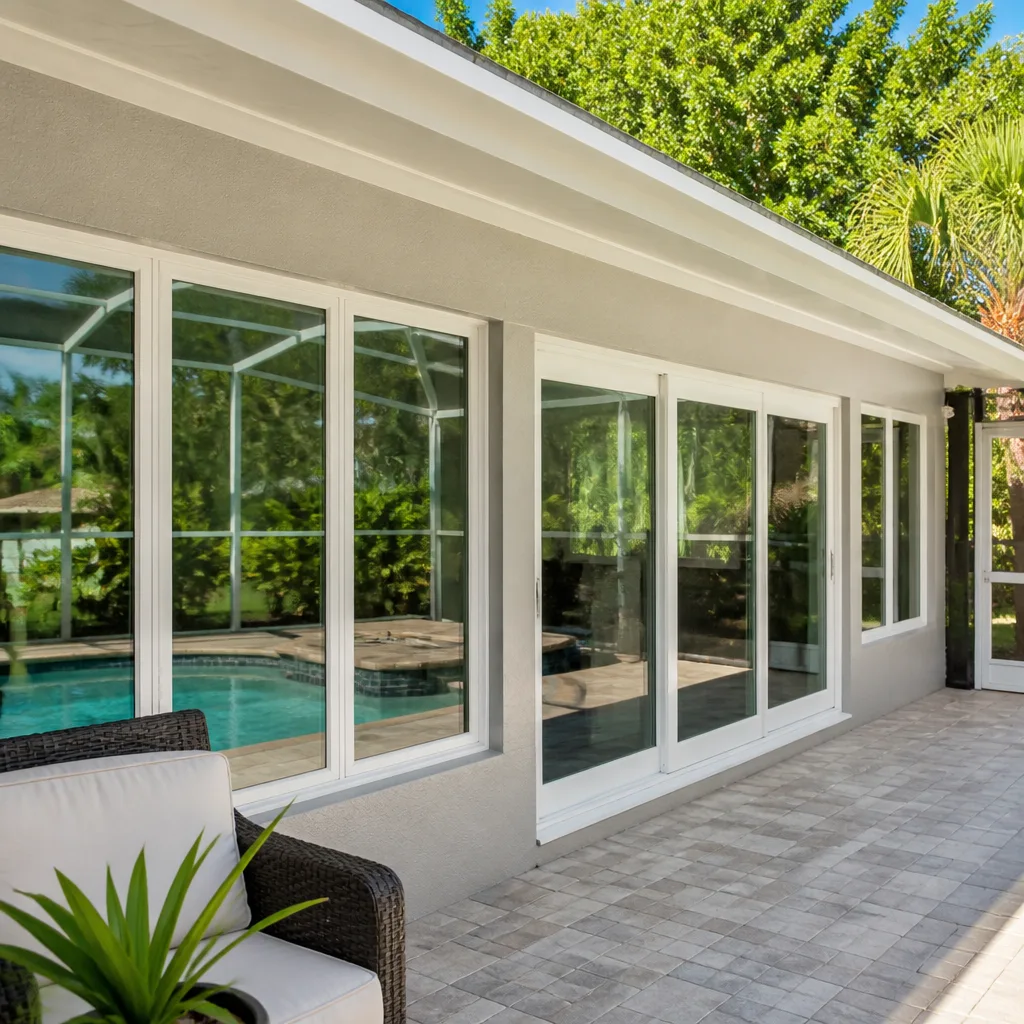 After
AfterWindows & Doors Warning Signs: A Fort Myers Homeowner’s Reference Guide
The gap between a window that needs recaulking and a window that has already allowed water to migrate behind the stucco is often invisible from the interior and undetectable without probing. But the two exterior warning signs that precede interior water damage appear, on average, 14 to 22 months before a homeowner notices anything wrong inside. In Fort Myers, where afternoon thunderstorms arrive with regularity from June through September and coastal salt air works on frames year-round, that lead time is compressed. This guide walks you through the sequence of warning signs we’ve documented across thousands of service calls in Lee County, what each sign actually indicates, and when a repair stops making sense and replacement becomes the honest recommendation. For a deeper dive, see The Complete Guide to Windows & Doors in Fort Myers.
Quick Answer
The most reliable window and door warning signs in Fort Myers are exterior-first: hairline stucco cracks at window corners, efflorescence on sill surfaces, frame-to-wall gaps visible only at a raking light angle, weep hole discoloration, and paint bubbling at the header. These five signals indicate water is already finding a path behind your stucco or trim, and they typically appear more than a year before you’ll see any sign inside.
Table of Contents
- The Five Exterior Warning Signs Most Homeowners Misread as Normal Weathering
- Sealant Failure vs. Flashing Failure vs. Frame Fastener Failure: Why the Diagnosis Changes Everything
- Door-Specific Warning Signs in Fort Myers Humidity
- Interior Warning Signs That Tell You the Problem Is Already Behind the Wall
- The Repair vs. Replacement Decision Framework
- Fort Myers-Specific Factors That Affect Window and Door Failure Rates
- Common Mistakes to Avoid
- When to Call a Professional
- Frequently Asked Questions
- The Bottom Line
The Five Exterior Warning Signs Most Homeowners Misread as Normal Weathering
Most window and door failure in Fort Myers is not sudden. It follows a predictable sequence, and the earliest signals appear on the outside of the house, where they get dismissed as the normal wear of a Florida home. After 42 years of working these Gulf Coast openings, we can tell you what each one means and why ignoring it costs more later. Here are the five we see most often on service calls from McGregor Boulevard to Lehigh Acres.
1. Hairline Stucco Cracking at Window Corners
These fine cracks, typically running diagonally from the top or bottom corner of a window opening toward the roofline or foundation, are not cosmetic settling. In a stucco-clad home, the stucco is part of the drainage plane, and a crack at the corner of an opening means the structural load around that opening is being transferred unevenly. In Fort Myers, the culprit is usually a combination of thermal cycling and moisture-driven swelling of the wood framing behind the stucco. The daily temperature swing between high-noon sun and evening thunderstorms causes the frame to expand and contract, and stucco, being rigid, cracks rather than flexes. When you see these cracks, water is already entering the wall cavity during every rain event, even if you never see a drop inside.
2. Efflorescence on Sill Surfaces
That white, chalky residue on the bottom sill of your window or sliding glass door is not dried cleaning product or salt spray. It is efflorescence, mineral salts left behind when moisture evaporates from a masonry or stucco surface. Its presence means water is moving through the substrate and carrying dissolved minerals to the surface. In Fort Myers, where the water table is high and humidity keeps surfaces damp for months, efflorescence on a window sill indicates the sill is serving as an evaporation point for water trapped in the wall below or behind it. The moisture source could be a failing sealant joint, a compromised flashing detail, or wicking through the foundation slab. What it is not is a surface stain you can simply clean off and forget about.
3. Frame-to-Wall Gaps Visible Only at a Raking Light Angle
Stand at the side of a window, with the sun low in the sky, and sight along the plane of the wall. You are looking for a raking light angle, the kind of light that throws imperfections into relief. What often shows up is a gap between the window frame and the wall that is invisible from straight on, a gap smaller than an eighth of an inch but continuous along the jamb. This gap means the sealant bead has failed adhesively, usually because it was installed over a dirty or damp substrate, or because the frame has moved slightly and the sealant could not accommodate the movement. In a coastal climate like Fort Myers, where wind-driven rain hits walls at an angle rather than vertically, even a thin continuous gap is a water entry point. This is one of the most common findings on homes built during the mid-2000s building boom, when production schedules often outpaced proper surface preparation.
4. Weep Hole Discoloration
Weep holes are the small openings at the bottom of a window frame or a sliding glass door track, designed to let condensed water drain outward. When they show discoloration, dark staining running down from the holes or accumulating around them, two things may be happening. Either the weep system is draining water properly, and the staining is simply evidence of it working, or the weep holes are clogged and water is pooling inside the frame. The distinction matters. Dark brown or rust-colored staining suggests water has been sitting in contact with metal components long enough to corrode them, which should not happen in a properly pitched frame. In Fort Myers, where afternoon rains can dump an inch of water in twenty minutes, clogged weep holes turn a minor maintenance item into a frame-rot condition within one season. Check the holes by looking for free passage with a thin wire or compressed air; if the staining is accompanied by difficulty clearing the hole, the internal track has likely corroded.
5. Paint Bubbling at the Header
When paint bubbles or peels along the top edge of a window or door opening, it is not a paint failure. It is almost always water trapped behind the paint film, and the water is coming from above, either through a failed header flashing, a roof leak that is draining down the wall cavity, or gaps in the soffit that allow wind-driven rain to enter. In Fort Myers, the details matter, because many homes have decorative exterior trim bands or stucco pop-outs above the window line, and these become water collectors rather than water shedders when the flashing is not lapped correctly. The bubbled paint is the visible tip of a water pathway that is already working behind the wall, and by the time the paint fails, the framing behind it may have been wet for months.
What to Look For: A Walking Inspection Sequence
Here is the sequence we follow when we walk a Fort Myers home for the first time. It takes about ten minutes and requires no tools beyond your eyes and, ideally, a low-angle evening sun.
- Start at the corners. Look at the top and bottom corners of every window and door opening, checking for stucco cracks that run diagonally away from the corners. Mark each one with masking tape and note its length.
- Sight along each wall. Stand at one end of the wall and look down its length, allowing raking light to reveal frame-to-wall gaps, uneven stucco surfaces, and any window that appears to sit slightly proud of the wall plane.
- Check the sills. Run your hand along the bottom sill of every window. You are feeling for efflorescence (a gritty, chalky residue) and visually confirming whether the sill slopes outward or inward. A sill that slopes inward is collecting water by design.
- Inspect the weep holes. Look at the bottom track of every sliding door and window. If the weep holes are stained, clogged, or absent, note which units are affected and whether the staining is dry or actively weeping.
- Look up at the headers. Examine the area above each opening for bubbling paint, stained stucco, or gaps where the wall meets the underside of any trim band or decorative feature.
- Document everything. Photograph each finding with your phone, including a wide shot that shows the wall context. This documentation becomes your baseline for comparison and your evidence if you are dealing with a builder warranty claim.
For a deeper dive into the kinds of problems these exterior signs point toward, our Window Installation in Fort Myers page explains how we set openings to prevent these failures from the start.
Sealant Failure vs. Flashing Failure vs. Frame Fastener Failure: Why the Diagnosis Changes Everything
When a contractor looks at a leaking window and says “it just needs new caulk,” step back and ask one question: how do you know it is not the flashing? Because the repair scope, the repair cost, and the long-term outcome are entirely different depending on where the failure actually is. And a contractor who diagnoses a sealant failure to avoid discussing a flashing failure or a frame fastener failure is giving you an incomplete bid that will leak again. For help vetting contractors, read How to Hire a Windows & Doors Contractor in Fort Myers: A Step-by-Step Guide.
Sealant Failure
Sealant failure occurs when the bead of caulk or sealant between the window frame and the wall loses its adhesion. The fix involves removing the old sealant, preparing the substrate properly (which may mean scraping, solvent-cleaning, or even grinding away old residue), and applying a sealant appropriate for the substrate and the joint movement. This is the least expensive repair and the most commonly misdiagnosed, because a superficial bead applied over failing sealant will look acceptable for a few months. In Fort Myers, where UV exposure is relentless and temperature swing across a single day can exceed 20 degrees, we use sealants with high movement capability and UV resistance, applied with proper backer rod installation to prevent the three-sided adhesion that causes premature sealant failure.
Flashing Failure
Flashing failure occurs when the material intended to direct water out of the wall, the head flashing above the window, the sill pan below it, or the jamb flashing strips along the sides, is missing, damaged, incorrectly lapped, or terminated in the wrong place. This is a more serious condition because the water is not entering at the seam; it is entering because the wall’s drainage system is compromised. Repairing flashing on an existing window generally requires removing the interior trim or the exterior cladding around the opening, installing the correct flashing detail, and then restoring the finishes. This is a significantly larger scope than a sealant repair, and it is the number one reason a “caulk it and see” approach fails in coastal construction.
Frame Fastener Failure
Frame fastener failure occurs when the fasteners that attach the window frame to the rough opening, the screws or clips that pass through the frame and into the framing, have corroded, pulled loose, or were never installed correctly to begin with. This allows the frame to shift within the opening, which breaks the sealant bond, misaligns the sash, and creates pathways for water and air. In coastal Florida, where airborne salt accelerates corrosion of galvanized and non-stainless fasteners, this failure mode is more common than most homeowners realize. The repair involves removing the interior casing, installing new fasteners of the correct type and spacing, and re-securing the frame. If the rough opening framing has been compromised by moisture, the repair scope expands further into framing repair or replacement.
At TruePane, we measure every opening twice and record the condition of the rough opening before we quote a repair or an installation, which is why our quotes are line-item documents, not a single number on a verbal handshake. You can see more about how that works on our Window Replacement in Fort Myers page.
A Quick Comparison Table
- Sealant failure: Typically visible as a gap, crack, or pulled-away bead at the frame-to-wall joint. Repair is a day’s work with minimal material cost. Range for a standard window in Fort Myers: $150 to $400 per window, depending on access and substrate preparation.
- Flashing failure: Often invisible without removing trim or stucco. Suspect it when a leak persists after sealant replacement, or when interior staining appears above the window rather than at the sill. Repair typically requires opening the wall and restoring finishes. Range: $500 to $1,500 per window, depending on cladding type and extent of damage.
- Frame fastener failure: Indicated by a window that shifts, rattles, binds, or shows recurring sealant failure at the same location. Repair requires interior access and new fasteners. Range: $300 to $800 per window if the framing is sound, more if the rough opening framing is compromised.
Door-Specific Warning Signs in Fort Myers Humidity
Doors in Fort Myers fail differently than windows, because doors carry operational loads that windows do not: foot traffic, repetitive latching, and the constant flexing of a large panel in a climate that keeps wood and fiberglass components cycling through wet and dry conditions. Here are the three door warning signs we see most often, along with what each one actually means.
Threshold Rot Sequence
The threshold is the saddle at the bottom of an exterior door, and in Fort Myers it is the first place water shows up. The sequence is predictable: a door sweep wears or becomes damaged, rainwater that hits the lower portion of the door runs down the face and under the threshold, and the threshold or the subfloor below it begins to rot. You may notice the threshold feels soft underfoot, or you may see dark staining at the ends of the threshold where it meets the side jambs. The rot is almost always more extensive than what you can see from above, because the threshold is sitting on the subfloor, and the subfloor is what holds the weight of the door. By the time the threshold feels soft, the subfloor may already need repair. This is a case where the exterior-to-interior signal gap is shortest, because the water is delivered directly to the structure rather than migrating through a wall cavity.
Multi-Point Lock Misalignment Caused by Frame Racking, Not Hardware Wear
Multi-point locks engage at three or more points along the door edge, and when they stop aligning with the strike plate, the common assumption is that the hardware has worn out. In our experience with Fort Myers doors, it is more often the frame that has racked. The door slab expands and contracts with humidity, and the frame, whether wood or composite, does the same. But the frame is fastened to the rough opening, and if the fasteners have loosened or the rough opening has settled, the frame twists slightly, and the lock points no longer find their receivers. The diagnostic test is simple: close the door and look at the evenness of the gap between the door edge and the frame. If the gap is wider at the top than the bottom, the frame is racked, and replacing the lock will not fix it. The fix is to re-secure the frame in the rough opening and re-shim it to plumb and square.
Bottom Rail Delamination on Fiberglass Doors That Signals Core Moisture, Not Surface Finish Issues
When the finish surface of a fiberglass door begins to bubble, peel, or separate, particularly along the bottom edge, it is not a finish failure. Fiberglass doors are built with a composite core inside a molded fiberglass skin, and the bottom rail is the seam where the skin is joined. If that seam was not sealed correctly at the factory or during installation, water enters the core, and the core begins to swell and degrade. The delamination you see is the skin separating from a core that is no longer sound. This is a structural failure, not a cosmetic one, and it is most common in Fort Myers on doors that face east, where morning sun drives moisture out of the wall and toward the door, and on doors that are not protected by an overhang or awning. The repair is door replacement, not refinishing.
One note for Fort Myers homeowners with impact-rated doors: the delamination signal is particularly important because it indicates the door’s structural core may be compromised, which in turn may mean the door no longer meets wind-load ratings. A delaminated impact door is a door that may not perform as designed in a storm, which is a different conversation than a door that simply looks weathered.
Interior Warning Signs That Tell You the Problem Is Already Behind the Wall
By the time you see evidence inside the house, the water has already traveled through the wall cavity, and the signal lag is over. Here is what each interior sign indicates, and why these signs are the ones that convert a repair into a replacement conversation.
Paint Bubbling Patterns That Map to Specific Exterior Failure Types
Interior paint that bubbles or peels below a window usually indicates a sill or sill pan failure: water is pooling at the bottom of the rough opening and wicking upward into the drywall. Paint that bubbles above a window points to a header flashing failure, with water running down the back of the wall from the top of the opening. Paint that bubbles along the side of the window indicates a jamb flashing or sealant failure, with wind-driven rain entering the wall cavity at the side and saturating the drywall adjacent to the jamb. The location of the bubbling is a diagnostic clue, and it tells you where to start looking on the exterior. In Fort Myers homes built with concrete block walls and furred-out interior drywall, the water often travels differently than in wood-frame construction: it migrates through the block cells and shows up as staining or bubbling on interior drywall in a location that does not align intuitively with a single obvious exterior defect.
Baseboard Gaps and Sill Plate Moisture Swelling
When a baseboard separates from the wall along a window wall, or the baseboard appears to have swollen and distorted at the bottom, the first thing to check is moisture in the sill plate, the horizontal framing member that sits on the foundation and anchors the wall above it. In Fort Myers, where slab foundations are the norm, sill plates are often pressure-treated but still vulnerable to moisture wicking up through the slab. A window leak that drains down the wall cavity delivers water directly to the sill plate, and the result is swelling that pushes the baseboard away from the wall. This is the signal that tells us the leak has been active for months, not days, because sill plate swelling is a gradual process. It also means the repair scope now includes possible sill plate replacement or repair, a structural item, rather than a simple window-level fix.
The Smell That Precedes Visible Mold by Six to Eight Weeks in SWFL Humidity
This is the signal most Fort Myers homeowners describe with some version of the same words: “it smells musty, but I cannot find any mold.” In our climate, the smell is the first detectable evidence of fungal growth, and it precedes visible mold by six to eight weeks because the relative humidity inside a wall cavity stays above the threshold that supports mold growth for that entire period. The smell is usually most noticeable in the morning, when the temperature differential between the interior and exterior draws air out of the wall cavity and into the living space. If the smell localizes near a specific window or door opening, the source is almost certainly a water intrusion problem, not a general humidity problem. By the time you see mold, the colony has been growing for weeks, and the remediation scope is larger than the repair would have been had the leak been addressed at the first exterior sign.
The Repair vs. Replacement Decision Framework
This is the framework we use when a homeowner asks us whether a window or door should be repaired or replaced-one we explore in depth in our DIY vs Professional Windows & Doors: The Fort Myers Homeowner’s Decision Guide. It is based on three factors, and visible condition is the least important of them.
Factor 1: Frame Integrity
If the frame of the window or door is sound, meaning the material has not been compromised by rot, corrosion, or moisture-driven degradation, then repair is usually the right call. A sound frame can be re-flashed, re-sealed, and re-fastened, and the unit will perform for years. If the frame has begun to rot or corrode, particularly at the sill or the lower corners, repair becomes a case of diminishing returns, because you are asking a compromised structural element to carry the load. In Fort Myers, where wood frames are the exception and aluminum or vinyl frames are common, frame integrity is often a question of corrosion on the aluminum or deformation on the vinyl, and both are conditions that replacement addresses cleanly.
Factor 2: Remaining Warranty Period
A window under an active manufacturer warranty is an asset. A window with no remaining warranty is a liability. Our standard practice at TruePane is to register both manufacturer warranty layers in writing before we leave the driveway, with durations stated, so the homeowner knows exactly what is covered and for how long. When a repair is proposed on a window with no warranty remaining, we tell the homeowner that a replacement is the point where the warranty clock restarts, and we show them the math on paper. This is the kind of detail we cover in more depth on our Impact Windows in Fort Myers page, because impact-rated units carry different warranty structures than standard windows.
Factor 3: Florida Wind Load Compliance of the Existing Unit
This is the factor most homeowners never consider, and it matters most in Fort Myers. An existing window may look fine, may operate fine, and may have been perfectly compliant when it was installed. But if the unit predates the current Florida Building Code requirements for wind load, or if the unit has been compromised by corrosion, fastener failure, or frame damage, its compliance is in question. In a storm event, a window that fails allows wind pressure to enter the home, and the roof can follow. Replacing an older window with a new impact-rated unit is not just an upgrade; it is a compliance correction. When a contractor tells you “the old windows are fine,” ask whether they are fine for the current wind load requirements, not just for everyday use. An honest contractor will show you the difference on paper, which is exactly what we do when we quote manufacturer lines side by side on paper, including ES Windows and PGT among the more than a dozen authorized lines we carry.
The Decision in Steps
- Assess the frame. If the frame is compromised, stop the analysis and replace. If sound, continue.
- Check the warranty. If the unit is under warranty, contact the manufacturer for a repair or replacement claim before paying out of pocket. If not, continue.
- Verify wind load compliance. If the unit does not meet current Florida wind load requirements, replacement is the right call regardless of condition. If compliant, continue to repair.
- Estimate the repair honestly. A repair that costs more than 50% of the replacement cost, on a unit with no remaining warranty, is a replacement, not a repair.
Fort Myers-Specific Factors That Affect Window and Door Failure Rates
What happens to a window in Fort Myers is not what happens to a window in Orlando or Tampa. The local conditions matter, and they change how you should read the warning signs.
Coastal salt air. Homes within five miles of the Gulf Coast are exposed to salt aerosols that accelerate corrosion on aluminum frames, fasteners, and hardware. We see hardware that fails in eight years on a coastal home that would last twenty years inland. The treatment is different: stainless steel fasteners, marine-grade hardware, and sealants formulated for salt exposure. A contractor who does not differentiate between coastal and inland installation practices is installing to the wrong standard.
Afternoon thunderstorm cycle. The summer pattern of afternoon downpours means water is delivered to walls in short, intense bursts, often accompanied by wind. This is the condition under which a sealant failure leaks, because wind-driven rain has the pressure to penetrate a gap that would stay dry in a calm rain. It is also why weep hole function matters so much: the system has to shed water quickly or it backs up into the frame. If you live in a Fort Myers neighborhood built on fill or with poor drainage, the soil saturation after these storms also contributes to moisture wicking up through slabs and into sill plates.
Building boom construction quality. Fort Myers grew fast during the 1990s and 2000s, and some of that construction was done quickly. We see recurring patterns in certain developments: missing head flashing, sealant applied over uncleaned substrates, weep holes clogged with stucco from the day the house was finished, and fasteners spaced too widely to hold the frame in a wind event. If your home was built during this period, the warning signs we have described are more likely to appear, and the wise response is to have the windows and doors inspected before the symptoms show up. Prevention in this case is an inspection, not a guess. You can learn more about our approach to correcting these issues on our TruePane Windows & Doors home page, which gives an overview of how we work.
The reason we recommend Impact Windows in Fort Myers to so many homeowners is not just storm protection. It is that impact-rated units are built to a higher standard of frame rigidity and fastener engagement, which means they resist the everyday racking and movement that causes the failure sequence described in this guide. When the frame does not flex, the sealant does not pull, the flashing does not shift, and the whole system holds.
Common Mistakes to Avoid
- Re-caulking over failing sealant without removing the old bead. This is the most common DIY mistake we see, and it is worse than doing nothing, because the new bead hides the failure while the water continues to enter behind it. The old sealant must come out, the substrate must be clean, and the new sealant must be compatible with the substrate.
- Assuming a warranty covers installation errors. Manufacturer warranties cover defects in the product. They do not cover water damage caused by improper flashing, poor sealant application, or incorrectly sized rough openings. If the installation was wrong, the leak is not the manufacturer’s responsibility, and the original installer may or may not still be in business. This is why having your warranty registration in writing, with durations stated, matters more than the warranty document itself.
- Painting over efflorescence with a masonry paint and declaring the problem solved. Efflorescence will return through most coatings, because the moisture migration is still happening underneath. Cleaning the surface and painting it is a cosmetic fix for a drainage problem.
- Replacing hardware on a racked door frame. If the frame is out of square, a new lock set will bind and fail the same way the old one did. The frame needs to be re-set in the opening first, then the hardware can be aligned.
- Ignoring the small window over the garage. The window that gets the least attention is often the one most exposed, because garage walls are frequently uninsulated, and any leak goes unnoticed longer. Check garage windows on the same schedule as the rest of the house.
- Using interior silicone caulk as an exterior sealant. Interior silicone does not have the UV resistance, movement capability, or adhesion characteristics of an exterior-grade sealant, and it will fail within a season in Fort Myers sun. Use the right product for the exposure.
- Judging a bid by the bottom line number. The cheapest bid on a window replacement in Fort Myers is often the bid that omits flashing, re-uses the existing fasteners, and skips the substrate preparation. You are not buying a window; you are buying the opening’s water management system. The price difference is the difference between a square deal and a future leak.
When to Call a Professional
Call a professional when you see more than one of the exterior warning signs described in this guide, when an interior sign appears (bubbling paint, swelling baseboards, musty smells), or when a door is racked or a window has shifted in its opening. These are not conditions that improve with time. TruePane Windows & Doors offers free estimates in Fort Myers, and we inspect every opening we are asked to look at, not just the one you called about. Call (239) 323-5522 to schedule a walkthrough. You will talk to a live person, not a voicemail tree, and you will get an honest assessment in writing before any work is discussed.
Frequently Asked Questions
Sealant repair on a standard window in Fort Myers typically runs between $150 and $400, depending on access and substrate preparation. Flashing repair runs $500 to $1,500 per window, and frame fastener repair runs $300 to $800 if the framing is sound. These are ranges for common conditions, not fixed quotes; an exact quote requires seeing the opening. Call (239) 323-5522 to schedule a free estimate.
Efflorescence on a window sill means water is moving through the wall or sill material and carrying dissolved minerals to the surface, which indicates an active moisture pathway behind the stucco or masonry. It is not a cosmetic stain, and cleaning it will not stop the water from entering. The source needs to be found and corrected.
A fogged window seal indicates seal failure in an insulated glass unit (IGU), and the repair is IGU replacement. The frame and sash can often be saved, but the sealed glass unit cannot be restored once the desiccant is saturated. In Fort Myers humidity, a failed seal typically becomes visible within two to three years of failure because condensation occurs almost every morning.
The simplest check is to look for a label or stamp on the frame or sash indicating the design pressure rating and the product approval number. If you cannot find it, or if the home predates the current code, have the units inspected by a professional who can verify compliance. A window that does not meet current requirements should be replaced, regardless of how well it appears to be functioning.
The 90-Day Done Right Promise is TruePane’s workmanship guarantee: if the job is not done right, we make it right within 90 days, with no paperwork fights and no arguing. It is backed by The Keystone Standard, which means both manufacturer warranty layers are registered in writing, with durations stated, before we leave your driveway. Call (239) 323-5522 for details.
Window and door replacement in Fort Myers generally requires a permit, particularly for impact-rated installations and any work that changes the opening size. We pull the permits and schedule the inspections as part of our installation scope, and we do not consider a job done until it has passed. Ask any contractor you are considering whether permits are included in their quote, because some bids leave them out and the homeowner becomes responsible for the paperwork.
The Bottom Line
Window and door failure in Fort Myers is a sequence, not an event. The earliest signals appear on the exterior, 14 to 22 months before interior damage shows up, and they are consistently misread as normal weathering. Knowing the sequence changes what you do next: you can address a sealant failure with a small repair, but if you wait until the paint bubbles inside, you are already into flashing repair, framing repair, or replacement. The discipline is to inspect annually, treat the early signs seriously, and when the work is done, have it done by someone who stands behind the job in writing. That is the standard we hold at TruePane, and it is the only kind of work Dale Kessler will put his name on since founding the company in 2008, carrying forward a glazier’s tradition that has served Fort Myers for over 42 years. If the pane is not true, the job is not done.
Written by Dale Kessler, Owner at TruePane Windows & Doors, serving Fort Myers since 2008.
Six Reasons Homeowners Choose TruePane Windows & Doors
Impact systems engineered to design pressures up to +/-100, matched to your wind zone - your openings hold when the storm arrives.
Low-E insulated impact glass from our manufacturer lines commonly cuts monthly cooling bills 20-30%.
Laminated impact glass shuts out up to 40% of outside noise - traffic, neighbors, weather.
Monitoring services run $30-90 a month. Laminated impact glass resists forced entry around the clock, with no subscription.
Florida homeowners average around 25% savings on the windstorm portion of their policy after protecting every opening - some homes qualify for more.
A full impact package upgrades curb appeal, buyer confidence and appraised value in one project.