

Last updated August 28, 2026
Free in-home measure and quote - PGT, CGI and CWS impact lines compared on your actual openings, style by style

CGI
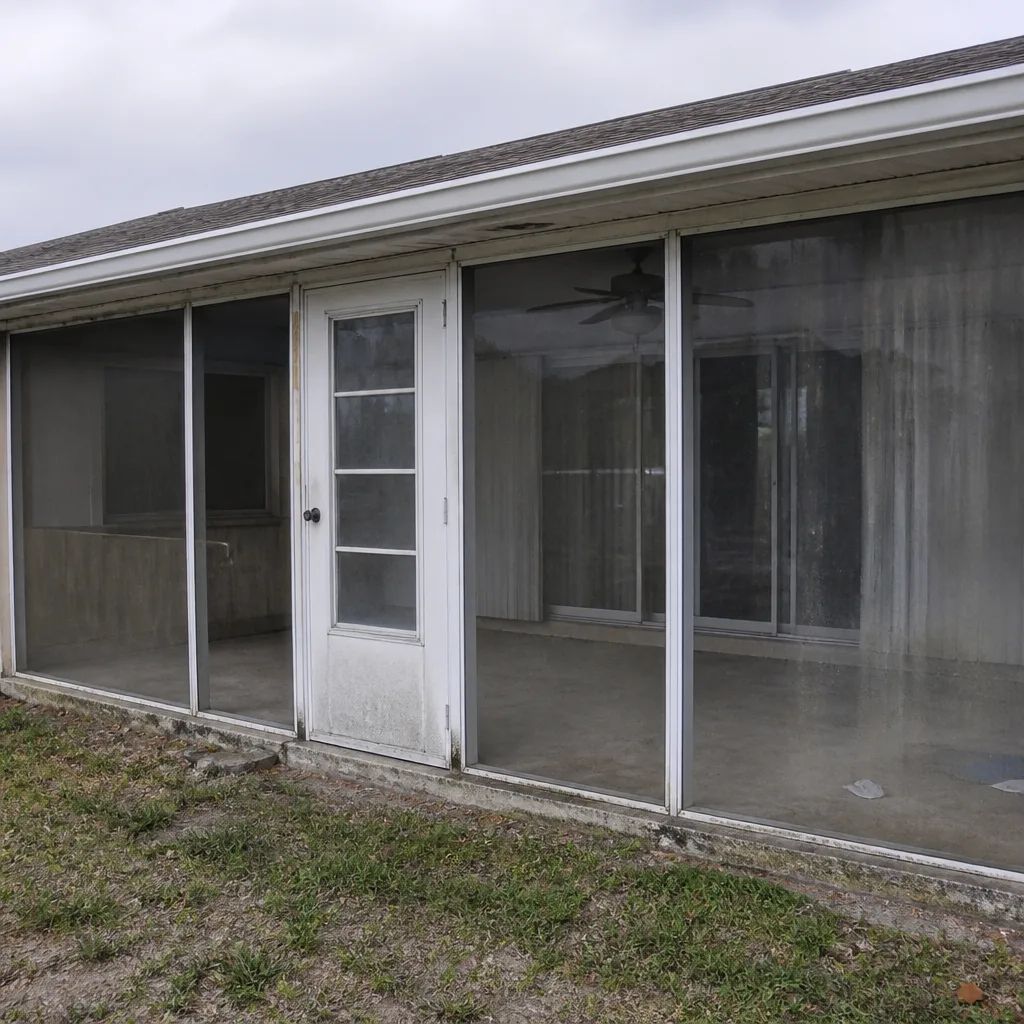 Before
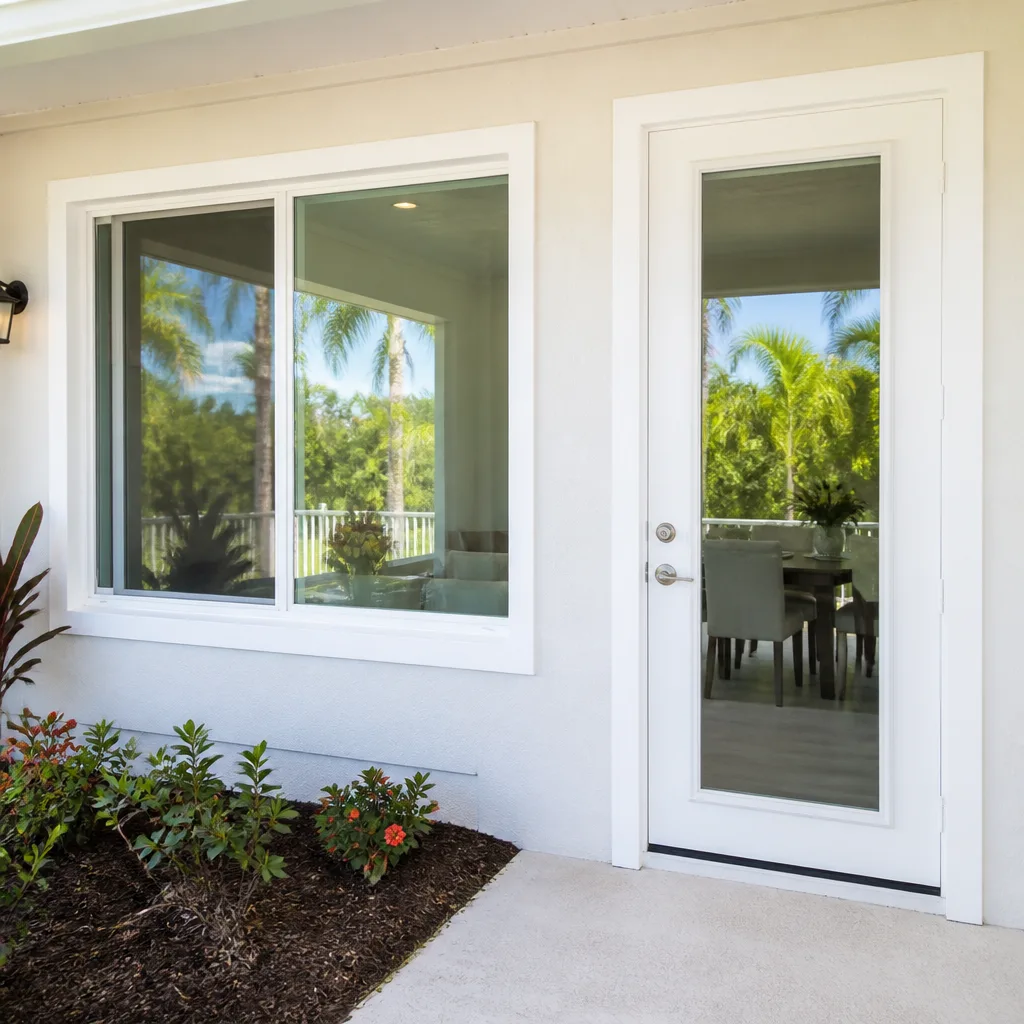 After
After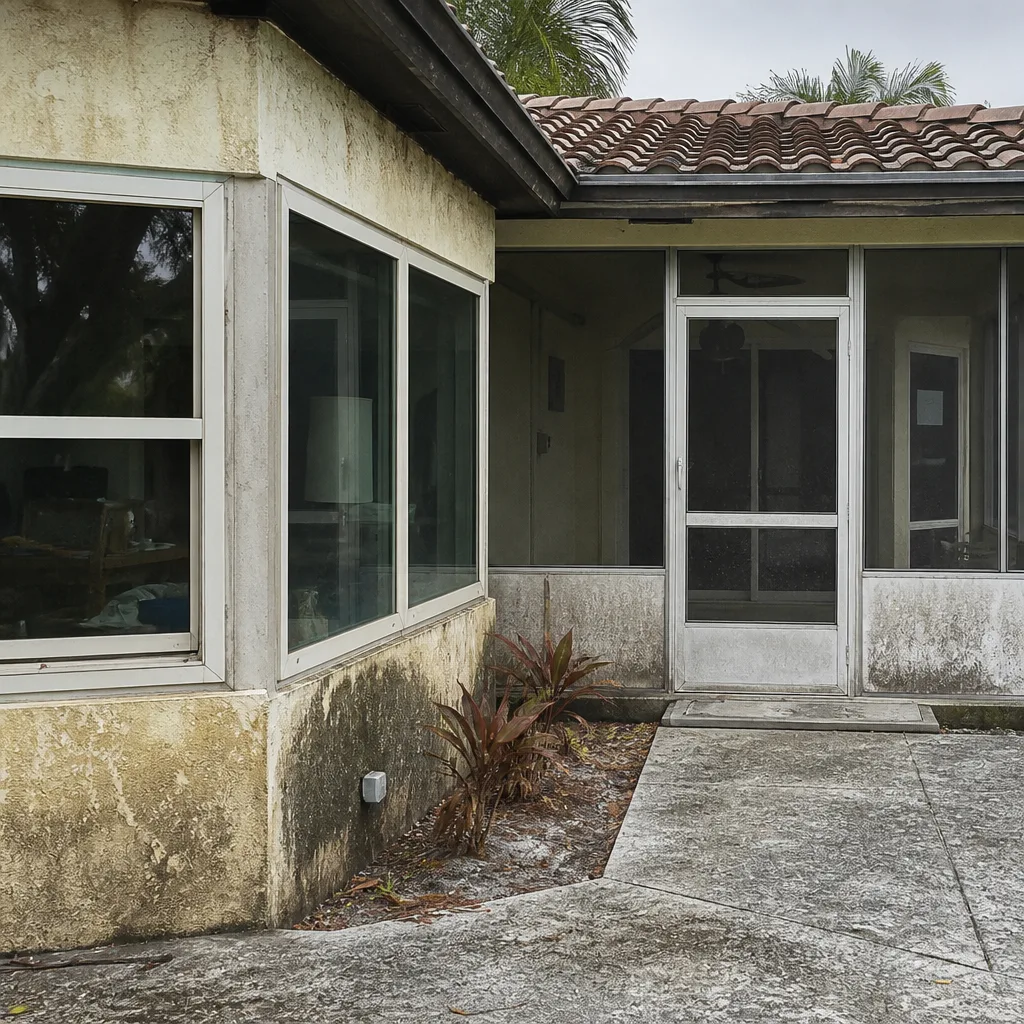 Before
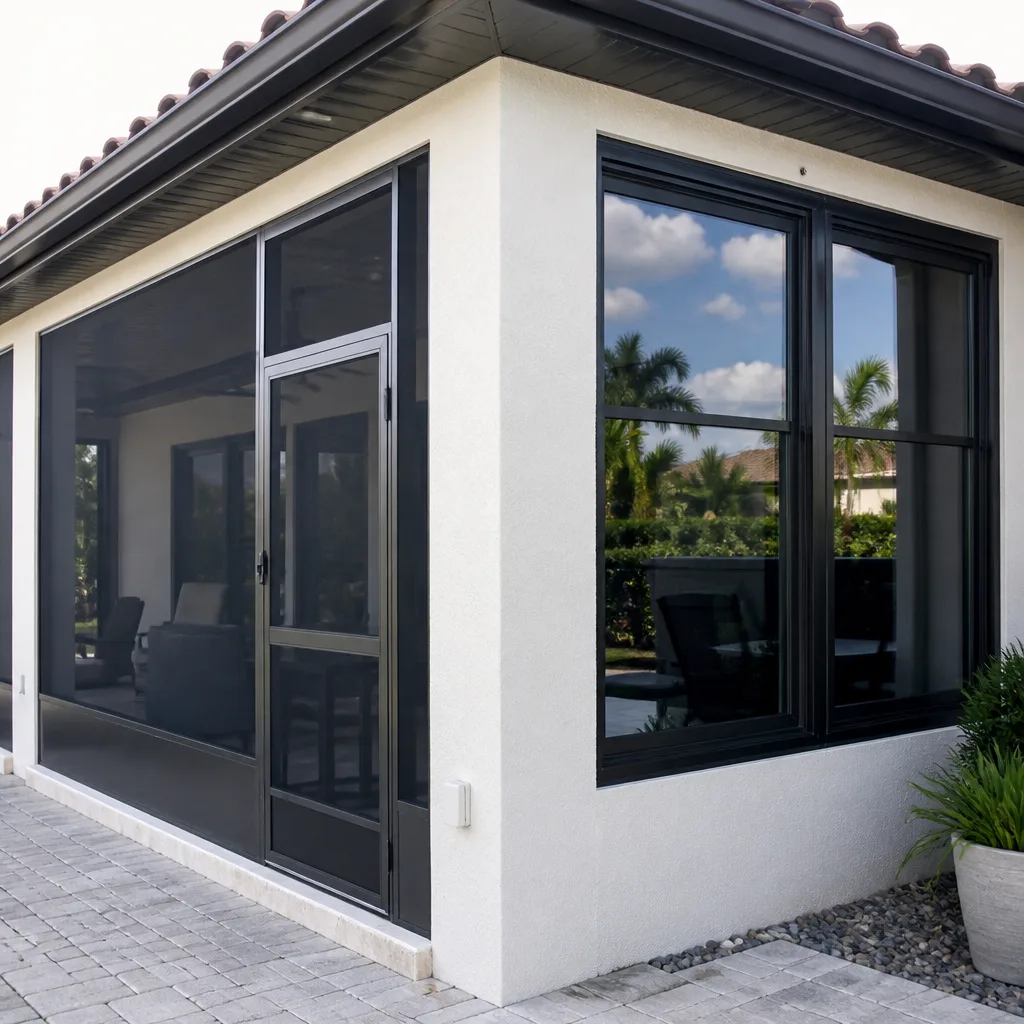 After
After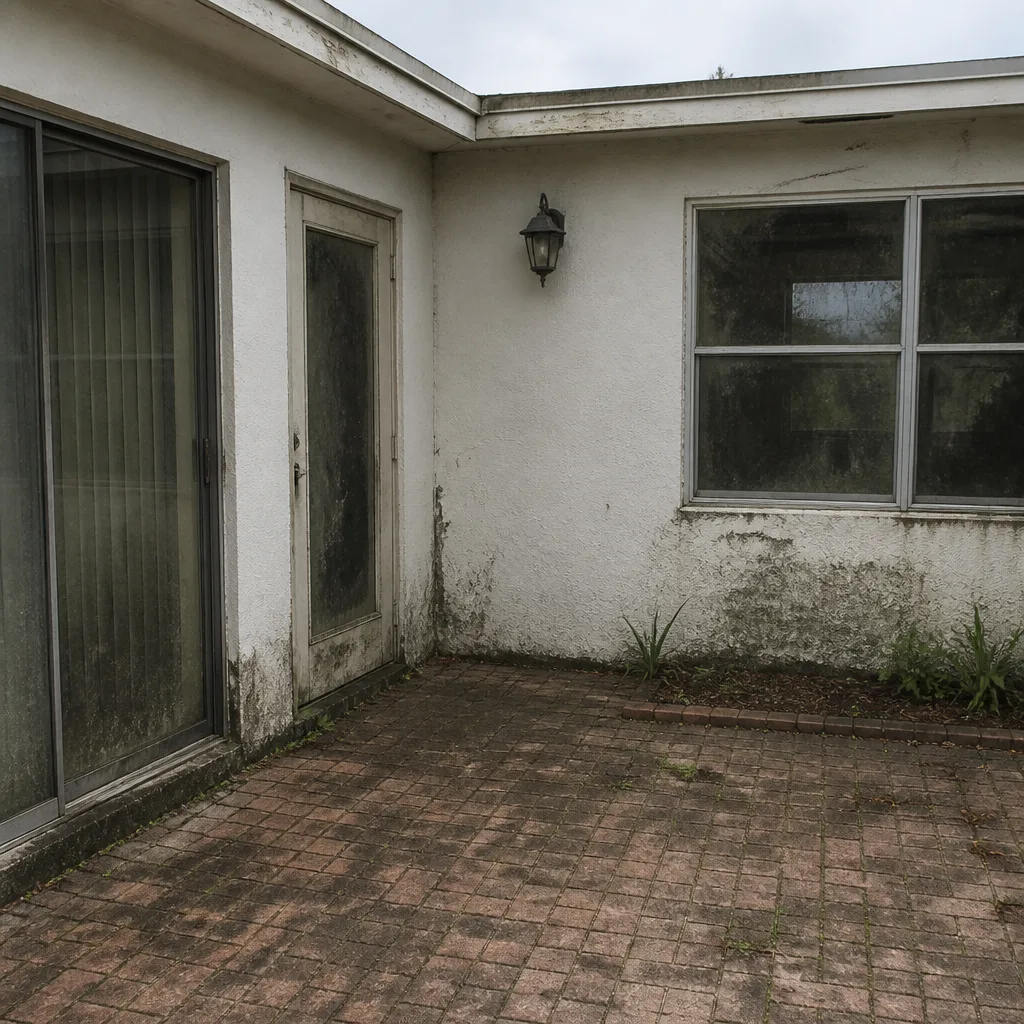 Before
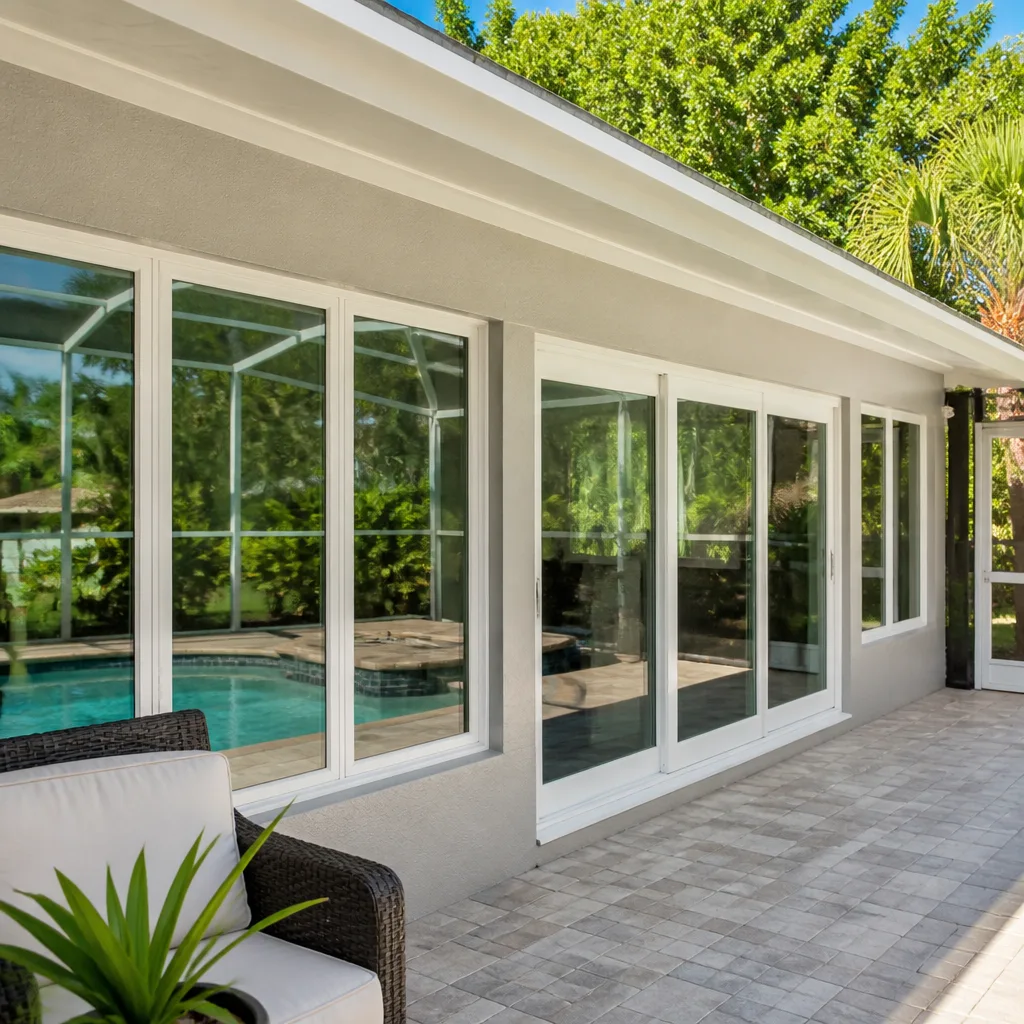 After
AfterSeasonal Windows & Doors Care for Fort Myers: Year-Round Homeowner’s Guide
Southwest Florida averages 264 sunny days a year, and Fort Myers sits close enough to the Gulf that salt aerosol reaches every window track, hinge, and seal on your house even when no storm is on the radar. Published ASTM weathering studies on coastal specimens show exterior glazing sealants degrade at roughly twice the rate of identical installations twenty miles inland. Most maintenance guides are written for four-season climates and miss what actually breaks here; for more guides & resources tailored to this region, see our other posts. This guide is built around the two seasons that matter in Fort Myers, the wet half and the dry half, and what you should be doing in each one to keep a window that should last twenty years from failing in twelve.
Quick Answer
Fort Myers windows and doors need a twice-yearly maintenance pass timed to the wet season (May through October) and the dry season (November through April), not a four-season schedule. The wet-season pass focuses on drainage, weep holes, sealant integrity, and hardware corrosion; the dry-season pass focuses on UV-stressed sealants, thermal expansion gaps, weatherstripping, and track lubrication. Done consistently, this two-season routine adds seven to ten years of service life to windows and doors in coastal Lee County, as detailed in our Windows & Doors Cost Breakdown: The Fort Myers Homeowner’s Reference for 2026.
Table of Contents
- Why Fort Myers Has Two Seasons, Not Four
- Wet-Season Care: May Through October
- Dry-Season Care: November Through April
- Galvanic Corrosion in Aluminum Frames: What Fort Myers Homeowners Miss
- UV Exposure and Exterior Finishes: Anodized, Painted, and Clad Aluminum at the 3, 7, and 12-Year Marks
- Post-Storm Inspection Protocol: Beyond Broken Glass
- Products That Void Your Warranty in Florida
- Common Mistakes to Avoid
- When to Call a Professional
- Frequently Asked Questions
- The Bottom Line
Why Fort Myers Has Two Seasons, Not Four
The four-season maintenance calendar fails in Fort Myers for a simple reason: we do not get freezing winters or dry autumns. We get a six-month salt-and-humidity load from May through October, then a six-month UV-and-thermal-cycling stress from November through April. Each half of the year attacks different components of a window or door, and the damage compounds if you only pay attention to one.
During the wet season, afternoon thunderstorms arrive with regularity from late May through early October. Humidity sits above 80 percent most mornings. Gulf air carries salt aerosol inland, and that salt settles into window tracks, onto hinge pins, and along the bottom edge of door sweeps. Water pools in sill pans that are not draining properly. Aluminum begins to oxidize where the anodized or painted finish has worn thin. Hardware rusts at the hardware-to-frame interface. This is the corrosion half of the year.
The dry season looks gentler but brings its own problems. From November through April, Fort Myers gets long stretches of cloudless sky and daytime highs in the 70s and 80s. The UV index stays high even in January. Sealants bake. Gaskets harden. Vinyl and rubber weatherstripping shrink and crack. Aluminum frames expand during the day and contract at night, and that thermal cycling works on every seal, anchor, and joint. This is the degradation-by-sunlight half of the year, and it is just as damaging as the wet season, just in a different way.
If you only do one maintenance pass per year, you are letting one of these two failure modes run unchecked for twelve months at a time. In our experience serving Fort Myers homeowners, the window that gets a spring check and nothing else is the window that leaks in September or binds in February.
What the Two-Season Split Looks Like in Practice
- May through October: Clear debris from weep holes, inspect sealant beads, check sill pan drainage, clean and lubricate tracks, test hardware for stiffness or rust, inspect weatherstripping for mold or compression set.
- November through April: Inspect sealant for UV cracking or shrinkage, check thermal expansion gaps around frames, condition EPDM gaskets with manufacturer-approved products, inspect exterior finishes for chalking or blistering, replace worn weatherstripping before summer humidity arrives.
Timing matters. The right time to address a drainage problem is before the daily thunderstorms start, not after you find water on the windowsill in August. The right time to condition a sun-baked gasket is in February, before the wet season adds mold pressure to an already cracked surface. A seasonal rhythm keyed to the Fort Myers climate calendar beats an annual checkup every time. That is also the reason our TruePane Windows & Doors home service area gets the same advice whether the house is in McGregor, Cypress Lake, or Gateway: the calendar here does not change by ZIP code.
Wet-Season Care: May Through October
Wet-season maintenance in Fort Myers is about moving water away from the building and keeping corrosion from getting a foothold. Start with drainage, because nothing else you do matters if water is sitting in the sill pan.
Step-by-Step Wet-Season Checklist
- Clear every weep hole. Weep holes are the small slots or holes on the exterior bottom edge of the frame. They let water that enters the track drain to the outside. In Fort Myers, they clog with pollen, sand, insect nests, and wind-blown debris. Use a small stiff brush or a blast of compressed air. Do not use a wire that will scratch the frame.
- Flush the tracks with plain water. Pour a cup of water into the track at the corner farthest from the weep holes and watch it exit. If it pools, the weep holes are still blocked or the sill is out of level. Fix this before the first heavy rain.
- Inspect the sill pan and exterior sealant bead. Look for gaps, cracks, or areas where the caulk has pulled away from the frame or the stucco. Pay attention to the bottom corners where water concentrates.
- Check door sweeps and thresholds. A door sweep worn to a sliver will not stop wind-driven rain. The threshold should slope slightly outward and the sweep should contact it evenly across the full width.
- Clean and lubricate hardware. Use a dry lubricant on hinges and lock mechanisms. Clean salt residue off handles and latch plates with a damp cloth first, then dry thoroughly. Salt left on hardware for six months turns into pitting.
- Test every sash and door for smooth operation. If a window drags or a door sticks in the frame, do not force it. That is a sign of swelling, misalignment, or hardware wear, and forcing it makes the repair more expensive later.
We see the same pattern every year in Fort Myers neighborhoods like Fort Myers Shores and Buckingham: the homeowner who checks drainage in May avoids the August water stain. The homeowner who waits until the first leak appears is already looking at drywall repair on top of the window work. Dale Kessler has said it plainly for years: if the pane is not true, the job is not done. The same standard applies to slope and drainage on a sill pan. If water is not leaving the sill, something is out of true.
Dry-Season Care: November Through April
Dry-season maintenance is about sunlight and thermal cycling. The sun is lower in the sky from November through February, which means it hits the south and west faces of a Fort Myers house at a sharper angle and for more hours than in summer. Sealants and gaskets take the brunt of it.
Step-by-Step Dry-Season Checklist
- Inspect every exterior sealant bead by sight and by touch. UV light causes caulk to chalk, crack, and shrink. Run a finger along the bead. If it feels dry, powdery, or brittle, it has lost flexibility and needs replacement before the wet season starts.
- Check thermal expansion gaps. Aluminum frames expand and contract more than the surrounding stucco or masonry. A gap that was tight in July may open up in January. Look for separation at the frame-to-wall interface on the south and west sides of the house.
- Condition EPDM gaskets and weatherstripping. Use a manufacturer-approved silicone-based conditioner or the product specified in your warranty documentation. Do not use petroleum-based products; more on that below.
- Examine exterior finishes for chalking. Rub a hand over painted aluminum. If you come away with a white or colored powder, the finish is oxidizing under UV. This is the early warning sign of a finish failure that will eventually expose bare aluminum.
- Replace cracked or brittle weatherstripping now. Once the weatherstrip loses its compression, it cannot recover. Replace it while the dry air makes the work easier, not in June when humidity has made every material swollen and stubborn.
- Test every lock and latch. Hardware that worked fine in August can bind in February as the cooler air contracts the frame. Adjust striker plates and latch engagement before the summer humidity adds moisture-related swelling on top of it.
Many homeowners in Fort Myers are surprised to learn that the dry season is the bigger threat to exterior finishes. The wet season causes visible corrosion and water damage, which gets attention. The dry season causes silent UV degradation, which goes unnoticed until a sealant fails or a painted finish starts peeling. That is why the twice-yearly rhythm works. Each pass catches what the other half of the year is doing, and neither failure mode gets twelve months of runway.
Galvanic Corrosion in Aluminum Frames: What Fort Myers Homeowners Miss
Galvanic corrosion happens when two dissimilar metals are in contact in the presence of an electrolyte, and coastal Fort Myers provides the electrolyte for free in the form of salt-laden humidity. Aluminum window frames anchored with standard steel screws or zinc-plated hardware are a textbook galvanic couple. The aluminum acts as the anode and sacrifices itself to the steel fastener, and over several years the area around the anchor point pits, weakens, and eventually fails.
This failure mode is almost invisible in its early stages. It starts as a small ring of white powder or pitting around a screw head, often hidden under a sealant bead or inside a sill track. By the time it is visible as a crack, the structural damage has already occurred. Most maintenance guides written for northern climates never mention it because inland air does not carry enough salt to accelerate the reaction; for Florida-specific requirements, see Windows & Doors Permits, Codes & Inspections in FL: What You Need to Know. In Fort Myers, it is one of the most common causes of premature frame failure we find on homes built before the mid-2000s.
Where to Look for Galvanic Corrosion
- Sill pan anchor points: The lowest screws in the frame, the ones that sit where water pools if drainage is not perfect.
- Hinge screws on doors: Especially on west-facing doors that catch afternoon sun and then cool rapidly at night.
- Inside the bottom track of sliding doors: Salt and sand accumulate here, and the track-to-frame fasteners are submerged in the electrolyte.
- Where the frame meets the stucco at the bottom corners: The intersection of aluminum, steel reinforcement, and wet stucco.
If you find pitted or powdery aluminum around a fastener, do not just paint over it. The corrosion cell continues underneath the paint until the dissimilar metals are separated or the fastener is replaced with a compatible material. This is a repair where the wrong fix looks fine for a year and then fails. A proper repair involves removing the corroded fastener, cleaning the area, using a compatible isolator or replacement hardware, and resealing. If you are not certain what you are looking at, call a glazier who has seen coastal aluminum failure before. The cost of a professional inspection is less than the cost of a replacement frame.
UV Exposure and Exterior Finishes: Anodized, Painted, and Clad Aluminum at the 3, 7, and 12-Year Marks
Fort Myers gets more than 260 days of sun per year, and the UV load on a south-facing window frame here is roughly equivalent to what a Chicago window gets in two and a half years. Different finishes handle that load in different ways, and knowing which finish you have determines what you should be looking for and when.
Anodized Aluminum
Anodized aluminum carries the aluminum oxide layer as part of the finish itself, which makes it the most UV-resistant of the three. But anodizing is thin, and once it is scratched or abraded, the bare aluminum underneath begins to oxidize. At the 3-year mark, inspect for hairline scratches that have not healed over. At the 7-year mark, check for chalky residue on the surface, which indicates the anodized layer is thinning. By the 12-year mark, anodized frames exposed to full Gulf sun on the south and west sides of a house may show visible wear at the corners, where installation friction and thermal cycling have worked the finish the hardest.
Painted Aluminum
Painted aluminum has the thickest finish but the lowest UV tolerance per millimeter. Heat and sunlight break down the paint binder, which is why you see chalking on older painted frames first. At the 3-year mark, a south-facing painted frame may begin to feel slightly rough versus the north side of the house. At the 7-year mark, chalking is common and small paint chips will appear where the frame flexes at the corners. At the 12-year mark, painted aluminum that has not been maintained will show exposed aluminum in the high-wear areas: the sill track, the bottom corners, and the lock side. Once bare aluminum is exposed, galvanic corrosion begins.
Clad Aluminum
Clad aluminum combines an aluminum exterior with a wood or composite interior, and the exterior cladding is typically a thicker, more UV-stable coating than paint. PGT and Marvin both build clad lines this way. Clad frames hold up better than painted aluminum under Fort Myers sun, but they are not immune. At the 3-year mark, check the cladding seams where the metal rolls over the edge of the sash. At the 7-year mark, look for lifting or bubbling at the bottom corners. By the 12-year mark, a clad frame that has not been cleaned regularly will show corrosion at the seams and the sill, which is why proper drainage and annual sealant inspection matter so much here.
In our experience, most finish failures are caught too late because the homeowner does not know which finish they have. The first step in any window replacement in Fort Myers consultation is identifying the existing frame material and finish, because the maintenance schedule depends on it. A painted aluminum frame from the 1990s needs different attention than a clad frame from 2015.
Post-Storm Inspection Protocol: Beyond Broken Glass
After any storm that brings wind-driven rain through Fort Myers, the first thing most homeowners check is the glass. That is understandable, but glass is rarely the first thing to fail. Water intrusion after a storm usually arrives through the sill pan, the flashing, or the anchor points, and that water can sit in the wall cavity for months before you see a stain on the drywall.
The Post-Storm Inspection Sequence
- Inspect the sill pan from the interior and exterior. Remove the sash if possible and look for standing water, damp debris, or mineral deposits that indicate water flowed through and evaporated. A clean, dry sill pan is the single best sign that the window did its job.
- Check the flashing above every exterior opening. Head flashing directs water away from the top of the frame. Look for lifted edges, torn flashing tape, or gaps where wind-driven rain could have been forced behind the flashing.
- Examine anchor points for movement. Push gently on the frame at each corner. A window that has shifted in the opening will show movement at a corner or a fresh gap at the frame-to-wall interface. Movement after a storm means the anchors took a load they were not designed to take.
- Look for wet drywall or bubbling paint around the interior perimeter of each opening. Water that entered through the sill or flashing travels along the wall cavity and shows up away from the source. A stain six inches from the window is still a window leak.
- Test the operation of every sash and door. A frame that is racked or damaged may still show unbroken glass. A window that will not open or closes with new resistance after a storm has a frame problem, not a glass problem.
For homes with impact windows in Fort Myers, the post-storm check also includes verifying that the laminated glass has not delaminated at the edges. Even if there is no visible crack, impact glass that took a direct hit can separate at the lamination layer. Seen edge-on, this looks like a slight haze or a line running along the edge of the glass. It is a warranty issue, and it is easier to resolve if it is documented in the days after the storm, not six months later.
Products That Void Your Warranty in Florida
Every manufacturer warranty on windows and doors includes language about maintenance, and some of the most common products sold at Fort Myers hardware stores are explicitly prohibited by that language. The issue is not always stated as a blanket ban; it is usually buried in the care section of the warranty document. Here are the products that cause the most problems.
Petroleum-Based Lubricants and Solvents
WD-40, penetrating oils, and general-purpose spray lubricants attack EPDM rubber gaskets. They cause the rubber to swell, soften, and eventually lose its compression set. Once a gasket swells, it cannot return to its original shape, and the seal fails. The workaround some homeowners try, replacing the lubricant with silicone spray, is fine for some components but not all. Check your warranty document before you spray anything on a gasket or weatherstrip. Therma-Tru, for example, publishes specific maintenance guidance for its door weatherstripping, and using an off-label product voids the weatherstrip warranty.
Abrasive Cleaners on Coated Glass
Low-E coatings and impact glazing are applied as thin, precise layers on the glass surface. Abrasive cleaners, steel wool, or razor blades scratch or strip those coatings. A scratched Low-E coating is a failed coating, and the warranty does not cover damage caused by improper cleaning. Use plain water and a soft cloth, or a cleaner specifically approved by the glass manufacturer.
High-Alkaline or Acidic Cleaners on Aluminum
Muriatic acid, commonly sold for cleaning masonry and pool tile in Lee County, etches aluminum finishes on contact. Even diluted, it leaves permanent streaks and destroys the protective oxide layer. Household cleaners with bleach have a similar effect over repeated applications. If you are cleaning aluminum frames, use a mild soap and water, and rinse thoroughly.
Pressure Washing at Close Range
A pressure washer aimed at a window or door frame within a few inches can drive water behind the sealant, into the frame cavity, and past the weatherstripping. It also strips finish from painted aluminum. Most manufacturers state a minimum distance and maximum pressure in the warranty documentation. The short version: do not pressure wash window and door assemblies. If you must clean the area around the opening, aim away from the frame and keep the nozzle at a distance.
The through-line on all of these is simple. The warranty covers manufacturing and installation defects, not the consequences of using the wrong chemical. If a seal fails and the service technician finds evidence of a petroleum-based lubricant on the gasket, the claim gets denied. We have seen this happen in Fort Myers more times than we can count, and it is always the same conversation: the product was on the shelf at the store, so the homeowner assumed it was safe. The store does not read your warranty; you do.
Common Mistakes to Avoid
- Using WD-40 or petroleum-based lubricant on window tracks and gaskets in Fort Myers. It swells EPDM gaskets and voids the weatherseal warranty. Use a dry silicone lubricant on tracks and hardware, and a manufacturer-approved conditioner on rubber.
- Ignoring weep holes because the window “looks fine.” Weep holes are the drainage path for every window and sliding door, and they clog with salt, sand, and pollen in Lee County. A clogged weep hole is a water leak waiting for the next afternoon thunderstorm.
- Painting over galvanic corrosion without separating the metals. The corrosion continues under the paint. A proper repair requires removing the fastener, cleaning the area, isolating the metals, and resealing.
- Doing a maintenance pass only in spring. In Fort Myers, a spring-only schedule means the wet season gets addressed but the dry-season UV damage runs for twelve months before anyone looks at it. The calendar here requires two passes.
- Pressure washing around window and door openings at close range. It drives water past the sealant and weatherstripping, and it strips finish from painted aluminum. Keep the nozzle away from the frame or do it by hand.
- Forcing a window or door that binds. If a sash drags or a door sticks in the frame, something has moved or swollen. Forcing it bends hardware, cracks sealant, and turns a small alignment issue into a frame repair.
- Assuming broken glass is the only post-storm failure. Water intrusion through the sill pan, flashing, or anchor points is far more common and often shows up as a stain weeks later. Inspect the drainage path, not just the pane.
When to Call a Professional
Some maintenance tasks are homeowner work; some are not. Call a glazier when you find pitted aluminum around anchor points, a window or door that no longer operates smoothly after you have cleaned and lubricated it, a sealant bead that has pulled away from the frame across a wide section, or water on the interior side of the sill after a storm. These are signs of a problem that a two-season maintenance routine cannot fix by itself. TruePane Windows & Doors offers free estimates in Fort Myers, and our window installation team in Fort Myers looks at the whole opening, not just the visible symptom. Call (239) 323-5522 to schedule a look.
Frequently Asked Questions
Twice a year, once at the start of the wet season in May and once at the start of the dry season in November. The wet-season check focuses on water intrusion and drainage; the dry-season check focuses on UV damage and thermal cycling. Call (239) 323-5522 if you want a professional inspection rather than a do-it-yourself pass.
Galvanic corrosion at the anchor points where steel or zinc-plated fasteners contact aluminum frames. The salt-laden air in Fort Myers acts as the electrolyte, and the aluminum sacrifices itself to the steel. It shows up first as white powder or pitting around screw heads, often inside the sill track or hidden under the sealant bead.
Silicone spray is safe for metal tracks and hardware, but not every weatherstripping material is compatible. Check your warranty documentation before applying anything to EPDM gaskets or vinyl weatherstrip. The wrong product voids the warranty, and we have seen claims denied in Fort Myers because a homeowner used a product that the store sold but the manufacturer never approved.
The wet season brings daily humidity above 80 percent and regular wind-driven rain. Door sweeps compress and lose their seal, thresholds collect salt and sand, and hardware rusts at the hinge-to-frame interface. A door that binds in July usually has a hardware or alignment problem that started months earlier, during the dry season, when thermal cycling first shifted the frame.
Check the sill pan for standing water or mineral deposits, then the head flashing above the opening, then the anchor points at each corner of the frame. Glass is rarely the first thing to fail. Water that enters through the sill or flashing can sit in the wall cavity for months before you see a stain on the drywall.
For most homeowners, yes. The inspection is not just about cleaning tracks and spraying lubricant; it is about catching galvanic corrosion, sealant failure, and drainage problems at the stage where they cost a few hundred dollars to fix instead of a few thousand. TruePane Windows & Doors has served Fort Myers since 2008, and our seasonal tune-up catches what a quick visual check misses. Call (239) 323-5522 for a free estimate.
The Bottom Line
Fort Myers windows and doors live in a salt-and-sun environment that punishes neglect faster than almost anywhere else in the country. The two-season maintenance rhythm, wet-season drainage and corrosion checks from May through October, dry-season UV and thermal expansion checks from November through April, is the single best thing you can do to extend the life of your windows and doors. Catch galvanic corrosion before it reaches the frame, catch sealant failure before the rainy season tests it, and stop using products that void your warranty before you learn the hard way. For help spotting problems early, read our Windows & Doors Warning Signs: A Fort Myers Homeowner’s Reference Guide. The work is simple, the calendar is local, and the payoff is measured in years, not months.
Written by Dale Kessler, Owner at TruePane Windows & Doors, serving Fort Myers since 2008.
Six Reasons Homeowners Choose TruePane Windows & Doors
Impact systems engineered to design pressures up to +/-100, matched to your wind zone - your openings hold when the storm arrives.
Low-E insulated impact glass from our manufacturer lines commonly cuts monthly cooling bills 20-30%.
Laminated impact glass shuts out up to 40% of outside noise - traffic, neighbors, weather.
Monitoring services run $30-90 a month. Laminated impact glass resists forced entry around the clock, with no subscription.
Florida homeowners average around 25% savings on the windstorm portion of their policy after protecting every opening - some homes qualify for more.
A full impact package upgrades curb appeal, buyer confidence and appraised value in one project.